
The selection of interior lighting plays a significant role in both the aesthetic and functional aspects of a space. Among various options, the opal glass globe light fixture offers distinct characteristics that merit consideration. This article examines the benefits and applications of opal glass globe fixtures, providing an overview for individuals seeking to make informed lighting choices.
Opal glass is a type of translucent glass that exhibits a milky, opalescent appearance. Unlike clear glass, which allows unimpeded light passage, or frosted glass, which diffuses light Hotedecor through surface etching, opal glass incorporates opacifying agents into its composition.
Composition and Manufacturing
The opalescence in opal glass is typically achieved by introducing fine particles within the glass matrix during manufacturing. These particles, often fluorides (such as cryolite or bone ash) or phosphates, scatter light as it passes through the material. This internal scattering is responsible for the characteristic soft, diffused glow. The manufacturing process involves melting silica, soda ash, and other raw materials at high temperatures, then shaping the molten glass and allowing it to cool. The specific formulation and cooling rate influence the degree of opalescence and the final appearance of the glass.
Light Transmission Properties
Opal glass is prized for its ability to evenly diffuse light. When light passes through opal glass, the internal scattering particles redirect and disperse the light rays in multiple directions. This process effectively eliminates harsh glare and sharp shadows, creating a luminous, homogeneous light distribution. The result is a softened illumination that reduces brightness contrasts within a space.
Visual Comfort and Glare Reduction
The primary advantage of opal glass globe light fixtures lies in their contribution to visual comfort. Glare, defined as excessive brightness that interferes with vision, is a common issue with many lighting solutions.
Mitigating Direct Glare
Direct glare occurs when a high-intensity light source is directly within the line of sight. Standard incandescent bulbs or exposed LED filaments can produce significant direct glare, leading to eye strain and discomfort. An opal glass globe acts as a natural diffuser, encasing the light source and transforming concentrated light into a broader, softer emission. This diffusion effectively lowers the perceived intensity of the light source, thus mitigating direct glare. Consider the sun on a cloudy day versus a clear day; the clouds (analogous to opal glass) diffuse the sunlight, making it less harsh to the eyes.
Reducing Reflected Glare
Reflected glare occurs when light bounces off reflective surfaces, such as polished floors, screens, or metallic objects, into the viewer’s eyes. The diffuse nature of light emitted by opal glass reduces the intensity of these reflections. By distributing light more evenly across a surface, opal glass minimizes the creation of bright hotspots that can cause reflected glare. This characteristic is particularly beneficial in environments with numerous reflective surfaces or where visual tasks require sustained focus, such as offices or study areas.
Even Illumination and Reduced Shadows
Beyond glare reduction, opal glass promotes more uniform illumination. Instead of creating distinct pools of light and sharp, dark shadows, the diffused light from an opal globe spreads across a wider area. This even distribution helps to create a visually continuous environment and minimizes the deep shadows that can obscure details or alter perceptions of depth and form. For instance, in a kitchen, task lighting with an opal globe can illuminate a countertop more uniformly, reducing shadows cast by hands or implements during food preparation.
Aesthetic Integration and Design Versatility
Beyond their functional benefits, opal glass globe light fixtures offer significant aesthetic appeal and design flexibility. Their classic form and neutral appearance allow for integration into a wide range of interior styles.
Timeless Design Appeal
The globe, as a geometric form, possesses an inherent simplicity and universality. This allows opal glass globe fixtures to transcend fleeting design trends. They can complement both modern minimalist interiors and more traditional or eclectic spaces. The smooth, continuous surface of the globe provides a visually clean element that does not compete with other design features but rather supports the overall aesthetic. Their timeless quality ensures they maintain relevance over extended periods, making them a durable investment in interior design.
Versatile Placement Options
Opal glass globes are adaptable to various fixture types and placements. They can be incorporated into:
- Pendant lights: Hanging solitarily or in clusters, pendants with opal globes provide focused yet diffuse light over tables, counters, or in stairwells. The height can be adjusted to suit the specific application and ceiling height.
- Flush mount and semi-flush mount fixtures: These are ideal for rooms with lower ceilings, providing broad, ambient light without visual obstruction. The opal glass maintains its diffuse quality in these configurations.
- Wall sconces: Used for accent lighting, task lighting in hallways, or as bedside lamps, opal globe wall sconces offer gentle, glare-free illumination that enhances architectural features or provides localized light.
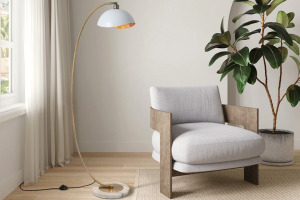
- Table and floor lamps: Portable opal globe lamps offer flexible lighting solutions, providing soft ambient light or focused task lighting depending on their design. They can be moved to adapt to changing room layouts or functional needs.
- Chandelier arrays: Multiple opal globes integrated into a chandelier design create a statement piece while still delivering comfortable, diffused light throughout a larger space.
Complementary to Various Interior Styles
The neutral color and diffusing properties of opal glass make it compatible with a spectrum of interior design palettes.
- Modern and Contemporary: The clean lines and minimalist aesthetic of a globe fixture align perfectly with modern and contemporary designs, which often emphasize simplicity and functionality. The soft light complements muted color schemes and streamlined furniture.
- Mid-Century Modern: Opal glass globes are a hallmark of Mid-Century Modern design, reflecting the era’s focus on organic forms and innovative materials. They pair well with teak furniture, geometric patterns, and bold colors typical of this style.
- Scandinavian: The emphasis on natural light, simplicity, and comfort in Scandinavian design finds resonance with opal glass. Its ability to create a hygge-like atmosphere, characterized by coziness and well-being, makes it a suitable lighting choice.
- Transitional and Eclectic: In transitional spaces that blend traditional and modern elements, opal globes can act as a unifying feature. In eclectic designs, they can provide a subtle, classic anchor amidst diverse stylistic elements.
Energy Efficiency and Light Source Compatibility
The performance of an opal glass globe fixture is also intertwined with the chosen light source, particularly concerning energy efficiency.
Optimizing with LED Technology
Modern lighting often employs Light Emitting Diode (LED) technology due to its significant energy efficiency and longevity. When paired with an opal glass globe, LEDs offer an advantageous combination. LEDs can be compact and produce intense light, which, when diffused by opal glass, transforms into a broad, comfortable glow. The cool operating temperature of LEDs also helps to prevent excessive heat buildup within the enclosed globe, potentially extending the lifespan of both the light source and the fixture.
Dimmability for Ambiance Control
Many opal glass globe fixtures are compatible with dimmable light sources. This allows users to adjust the intensity of illumination, providing greater control over the ambiance of a space. From bright, functional light for tasks to soft, subdued lighting for relaxation, dimming capabilities enhance the versatility of the fixture. The diffusing properties of the opal glass ensure that even at lower intensities, the light remains evenly distributed and free from harshness.
Reducing Light Pollution
While primarily an outdoor concern, the principles of light diffusion can also be applied to interior spaces in a broader sense. By evenly distributing light and reducing glare within a room, opal glass fixtures contribute to a more controlled light environment. This controlled light can indirectly reduce light spillage beyond intended areas, which, on a larger scale, aligns with principles of minimizing unnecessary light emission.
Maintenance and Durability
The practical aspects of maintaining and ensuring the longevity of light fixtures are essential considerations for any homeowner or designer. Opal glass globe fixtures generally offer good durability and relatively straightforward maintenance.
Cleaning and Care
Opal glass, being a non-porous material, is relatively easy to clean. Regular dusting with a soft, dry cloth is usually sufficient to maintain its appearance. For more stubborn marks or buildup, a mild glass cleaner applied to a cloth (rather than directly to the fixture) can be used. It is important to ensure the fixture is de-energized before cleaning and to avoid abrasive cleaners or tools that could scratch the glass surface. The smooth, spherical shape also avoids intricate crevices where dust might accumulate, simplifying the cleaning process.
Robustness of Glass
While glass is inherently fragile compared to certain metals or plastics, modern opal glass used in lighting fixtures is often designed for resilience. The thickness and quality of the glass contribute to its durability. In the event of damage, individual globes are often replaceable components, offering a more sustainable option than replacing an entire fixture. The enclosed nature of many globe fixtures also provides a degree of protection for the light source itself, shielding it from dust, insects, and minor impacts.
Long-term Performance
When properly selected and maintained, an opal glass globe light fixture can offer long-term performance. The glass itself does not degrade over time, unlike some plastic diffusers that can yellow or become brittle. The choice of high-quality internal components, such as wiring and sockets, paired with durable light sources like LEDs, ensures that the fixture remains functional and aesthetically pleasing for many years. This longevity makes them a cost-effective choice in the long run, reducing the frequency of replacements and the associated environmental impact.
Considerations for Selection and Installation
When choosing and installing an opal glass globe light fixture, several practical considerations should guide your decision. These factors ensure optimal performance, safety, and aesthetic integration within your space.
Sizing and Scale
The size of the globe should be proportionate to the space it occupies and the intended function. A small globe in a large room may appear insignificant, while an oversized globe can overwhelm a compact area.
- Room dimensions: For ambient lighting, a general guideline involves considering the total square footage of the room. Larger rooms might benefit from multiple fixtures or a single, more substantial globe.
- Fixture type: Pendants over a dining table should be wide enough to illuminate the entire surface without obstructing views. Flush mounts in hallways should provide adequate general illumination without being visually dominant.
- Visual balance: Consider the ceiling height and other furnishings. A low-hanging large pendant in a room with a low ceiling could lead to a cluttered appearance, whereas a smaller globe might look lost in a cavernous space.
Luminaire Output and Light Temperature
While opal glass inherently diffuses light, the internal light source’s characteristics still impact the overall effect.
- Lumen output: Determine the required brightness for the space. Task lighting will necessitate higher lumen output than ambient background lighting. Consult lighting guides for recommended lumen levels per square foot for various room types.
- Color temperature (CCT): The color temperature of the bulb, measured in Kelvins (K), influences the mood.
- Warm white (2700K-3000K): Creates a cozy, inviting atmosphere, suitable for living rooms and bedrooms.
- Neutral white (3500K-4000K): Provides a balanced, crisp light, often preferred in kitchens, bathrooms, or offices.
- Cool white (5000K-6500K): Mimics daylight but can appear stark in residential settings, often used in commercial or utility areas. The opal glass will soften the perception of the color temperature but will not change it.
Installation Requirements
Proper installation is crucial for safety and functionality.
- Electrical compatibility: Ensure that the fixture’s voltage and wattage requirements match your home’s electrical system. If you are unsure, consult a qualified electrician.
- Mounting hardware: Verify that the supplied mounting hardware is appropriate for your ceiling type (e.g., drywall, plaster, junction box). For heavier fixtures, additional bracing may be necessary.
- Professional installation: For complex installations, or if you lack electrical experience, engaging a licensed electrician is recommended. This ensures compliance with local electrical codes and prevents potential hazards.
Integration with Control Systems
Consider how the fixture will be controlled.
- Standard switch: A simple on/off switch is suitable for basic functionality.
- Dimmer switch: Essential for achieving adjustable ambiance. Ensure the light bulb and the dimmer switch are compatible (e.g., LED-compatible dimmers for LED bulbs).
- Smart home integration: Many modern fixtures or their compatible bulbs can be integrated into smart home ecosystems, allowing for voice control, scheduling, and remote operation. This adds convenience and enhances energy management capabilities.
By carefully considering these factors, you can select and install an opal glass globe light fixture that effectively enhances your space, providing both aesthetic appeal and comfortable, functional illumination.