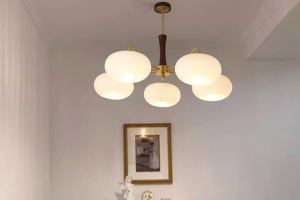
An elegant milk glass light fixture with gold accents represents a specific aesthetic in interior lighting design. This article explores the characteristics, historical context, manufacturing processes, and design considerations associated with such fixtures. Understanding these elements is crucial for anyone evaluating or specifying lighting solutions.
At its essence, an elegant milk glass light fixture with gold accents is a luminaire combining two distinct material characteristics: opalescent white glass and metallic gold finishes. The “elegance” is a subjective descriptor, often associated with refined forms, balanced proportions, and a sense of understated luxury.
Milk Glass
Milk glass, a form of opaline glass, is a white or opaque glass originally formulated in Venice in the 16th century. It gains its distinctive milky opacity from additives such as tin oxide, arsenic, bone ash, or cryolite during manufacturing. This opaqueness serves a dual purpose in lighting: diffusing light Acorohome to reduce glare and creating a soft, even illumination. The light emitted through milk glass is often described as warm and inviting, a contrast to the starkness of clear glass or the industrial aesthetic of some metals. Historically, milk glass was a more affordable alternative to porcelain, but it developed its own distinct value and appreciation over time.
Gold Accents
The “gold accents” typically refer to metallic components finished with a gold-colored coating. This can range from genuine gold plating, which offers superior durability and luster, to more common and cost-effective alternatives such as brass, bronze, or steel with a gold-toned finish (e.g., PVD coating, electroplating, or paint). The choice of gold finish significantly impacts both the fixture’s visual appeal and its long-term resistance to tarnishing or wear. Gold, as a color, often connotes value, luxury, and classical aesthetics, contributing to the “elegance” perceived in the fixture. These accents are typically applied to structural elements, decorative trim, or mounting hardware.
Historical Context and Evolution
The combination of opaque glass and metallic embellishments in lighting is not a novel concept. Tracing the lineage of these fixtures provides insight into their enduring appeal and design evolution.
Early Origins of Opaque Glass in Lighting
Opaque glass, including variations resembling milk glass, has been utilized in lighting since the development of glassblowing techniques. Its primary function was to tame the harshness of early light sources, such as gas flames or incandescent bulbs, which often produced a strong, localized glare. Early examples might feature simple, bell-shaped shades or globes.
The Art Nouveau and Art Deco Influence
The late 19th and early 20th centuries saw a significant surge in the aesthetic sophistication of lighting fixtures. The Art Nouveau movement (roughly 1890-1910) embraced organic forms, flowing lines, and decorative elements. Milk glass, with its soft diffusion, complemented the ambient lighting favored during this period. Gold accents, often in curvilinear patterns, added to the ornate nature of these designs.
Following Art Nouveau, the Art Deco movement (roughly 1920-1939) brought a shift towards geometric patterns, streamlined forms, and a greater emphasis on luxury and modernity. Milk glass, now often shaped into more angular or stepped designs, continued to be a popular material for diffusers. Gold, frequently seen as brass or gilded accents, became a prominent feature, highlighting the clean lines and symmetrical compositions characteristic of Art Deco designs. Consider the iconic geometric patterns of the Chrysler Building as a parallel, where gold details accentuate architectural forms.
Mid-Century Modern Adaptations
Post-World War II, the Mid-Century Modern aesthetic (roughly 1945-1969) emerged, prioritizing functionality, simplicity, and innovative materials. While some fixtures adopted minimalist forms, others retained elements of decorative appeal. Milk glass, particularly in spherical or atomic shapes, found a place in designs that balanced futuristic sensibilities with a desire for warmth. Gold accents during this period were often more subtle, serving to delineate forms or provide a discreet touch of metallic sheen rather than elaborate ornamentation.
Contemporary Resurgence and Interpretations
In contemporary design, there has been a noticeable resurgence in the popularity of vintage and classic aesthetics. This has driven renewed interest in milk glass light fixtures with gold accents. Modern manufacturers often reinterpret historical designs, incorporating contemporary lighting technology such as LEDs, while maintaining the classic visual language. This blend of old and new allows for broad appeal, integrating seamlessly into both traditional and modern interiors. The elegance is often now achieved through minimalist forms rather than excessive ornamentation.
Manufacturing Processes
Creating an elegant milk glass light fixture with gold accents involves a series of specialized manufacturing steps, each contributing to the final product’s quality and appearance.
Milk Glass Production
The production of milk glass shades typically involves glassblowing or pressing techniques.
Glassblowing
In glassblowing, molten glass, specially formulated with opacifiers, is gathered on a blowpipe. Skilled artisans then inflate, shape, and mold the glass into the desired form. This method allows for unique variations and organic shapes, often resulting in slightly thicker glass due to the inherent nature of the process.
Glass Pressing
Glass pressing involves pouring molten glass into a mold and then pressing it with a plunger to create the desired shape. This method is suitable for mass production and achieving consistent, intricate patterns or uniform wall thicknesses. Both methods require careful temperature control and annealing to ensure the glass is free from internal stresses, which could lead to breakage. The specific opacifiers used and their concentration will dictate the exact hue and translucency of the “milk” effect.
Gold Accent Application
The application of gold accents can vary significantly in complexity and material.
Gold Plating
Genuine gold plating involves electroplating a thin layer of gold onto a base metal (e.g., brass, nickel-plated steel). This process offers a durable, high-luster finish that resists tarnishing. The thickness of the gold layer (measured in microns) directly correlates with its longevity and cost.
PVD (Physical Vapor Deposition)
PVD is a modern coating process where a thin film of metallic material is deposited onto a substrate in a vacuum chamber. This process can achieve very hard, durable, and tarnish-resistant gold finishes and is often used for high-end consumer goods. The color can be precisely controlled to mimic different shades of gold.
Lacquering and Painting
For a more economical approach, metal components can be painted or lacquered with a gold-colored finish. While more prone to wear and chipping than plating or PVD, modern paints offer decent durability and a wide range of aesthetic effects, from matte to high-gloss gold. Proper surface preparation, including cleaning and priming, is crucial for adhesion and longevity.
Solid Brass
In some instances, the “gold accents” may be solid brass components that are polished and then coated with a protective lacquer to prevent tarnishing. Solid brass offers a significant weight and feel, often associated with higher quality. The natural aging of unlacquered brass, which develops a patina, is also a desirable characteristic for some designers and consumers.
Design Considerations and Aesthetics
The design of an elegant milk glass light fixture with gold accents involves balancing form, function, and material interplay.
Form and Proportion
The shape of the milk glass elements is a primary determinant of the fixture’s overall aesthetic. Common forms include:
Spherical Globes
These offer a classic, timeless look, diffusing light evenly in all directions. They can evoke a mid-century modern sensibility or a more traditional feel depending on the context.
Conical or Bell Shapes
These direct light downwards or in a more focused manner, suitable for task lighting or highlighting specific areas. Their lines can contribute to a more tailored or directional aesthetic.
Art Deco Geometrics
Stepped, fluted, or faceted milk glass shapes nod to the geometric precision of the Art Deco era, lending a sophisticated, architectural feel.
Organic or Abstract Forms
Less common but present, these shapes can infuse a sculptural quality, often found in more bespoke or artist-designed pieces.
The proportion of the milk glass to the gold accents is critical. A harmonious balance prevents either element from overpowering the other. For instance, delicate gold chains supporting a large milk glass globe will have a different visual impact than a robust gold frame encasing smaller milk glass panels.
Light Diffusion and Ambiance
The milk glass functions as a light diffuser, softening the emitted light and reducing harsh shadows. This creates an ambient glow rather than direct illumination. The light quality is conducive to creating warm, inviting spaces. The color temperature of the bulb used within the fixture will further influence the perceived warmth of the light. A warm white (2700K-3000K) LED will enhance the inviting qualities of the milk glass, while a cooler temperature might create a different, potentially less elegant, effect.
Versatility in Interior Design
Fixtures of this type demonstrate versatility across various interior design styles.
Traditional Interiors
In traditional settings, they complement rich wood tones, classic furnishings, and elaborate textiles, providing a focal point that aligns with established design principles.
Transitional Spaces
Their blend of classic materials and often restrained forms allows them to bridge the gap between traditional and modern aesthetics, fitting seamlessly into transitional decor.
Modern and Minimalist Contexts
When designed with clean lines and simple forms, these fixtures can add a touch of warmth and material richness to modern or minimalist interiors, providing a counterpoint to often starker aesthetics. The gold accents, particularly in a brushed or matte finish, can introduce a discreet metallic sheen without overwhelming the minimalist intent.
Eclectic Decor
In eclectic spaces, they can serve as an anchor, a piece that offers a sense of history or classic design amidst a mix of styles and periods. A classic silhouette in milk glass and gold can ground an otherwise diverse collection of furnishings.
Installation and Maintenance
Proper installation and routine maintenance are essential for maximizing the lifespan and aesthetic appeal of an elegant milk glass light fixture with gold accents.
Installation Requirements
Installation typically involves standard electrical wiring practices. Considerations include:
Structural Support
Depending on the size and weight of the fixture, adequate structural support in the ceiling or wall may be required. This is particularly relevant for chandeliers or heavy pendant lights.
Electrical Compatibility
Ensuring the fixture is compatible with the existing electrical system (voltage, dimmer switches, etc.) is crucial. If retrofitting with new technology bulbs such as LEDs, ensure that any existing dimmer switches are LED-compatible to avoid flickering or damage.
Professional Installation
For complex or heavy fixtures, or for those unfamiliar with electrical work, professional installation by a qualified electrician is recommended to ensure safety and compliance with local building codes. Safety is paramount when dealing with electrical fixtures, acting as the bedrock of any successful installation.
Cleaning and Care
Maintenance focuses on preserving the integrity of both the milk glass and the gold accents.
Milk Glass Cleaning
Milk glass should be cleaned gently with a soft, damp cloth and mild soap (if necessary). Avoid abrasive cleaners or harsh chemicals, which can scratch the surface or erode any protective coatings. Drying immediately with a clean, soft cloth prevents water spots.
Gold Accent Care
The care for gold accents depends on their material and finish.
Plated Finishes
Gold-plated surfaces should be cleaned with a soft, dry or slightly damp cloth. Abrasive cleaners, polishing compounds, or chemicals containing ammonia or bleach can damage the plating.
Lacquered Brass
Lacquered brass should be cleaned similarly to plated finishes. If the lacquer wears off, the brass underneath may begin to tarnish. Professional re-lacquering may be an option.
Unlacquered Brass
Unlacquered brass will naturally tarnish over time, developing a rich patina. If a bright finish is desired, specific brass polish can be used, but this will require regular application. Some individuals prefer the aged aesthetic, seeing it as a mark of authenticity and character.
PVD Finishes
PVD coatings are highly durable and generally only require cleaning with a soft, damp cloth. Their resistance to tarnish and wear makes them a lower-maintenance option.
Regular dusting of the entire fixture prevents accumulation of dirt and grime, which can dull its appearance and even impede light output.
Conclusion
The elegant milk glass light fixture with gold accents represents a synthesis of historical craftsmanship, material science, and aesthetic sensibility. From its origins in early glassmaking to its contemporary interpretations, this type of fixture offers a timeless appeal rooted in its ability to diffuse light softly while adding a touch of refined metallic warmth. Understanding its components, historical journey, manufacturing nuances, and maintenance requirements allows for informed selection and appreciation of its role as a significant element in interior design. It stands as a testament to the enduring power of classic design principles, adapting gracefully through various eras without losing its fundamental allure.