This article explores the characteristics and considerations involving stylish Mid-Century Modern (MCM) floor lamps, offering guidance for incorporating them into contemporary home environments. It delves into their historical context, design principles, functional aspects, and practical advice for selection and placement.
Mid-Century Modern design, broadly spanning from the mid-1940s to the late 1960s, is characterized by its clean lines, organic and geometric forms, and a focus on functionality. This era marked a departure from more ornate, traditional styles, embracing a streamlined aesthetic that reflected post-war optimism and advancements in manufacturing. In furniture, this translated into pieces that were both innovative and practical, often utilizing new materials and production techniques. The enduring appeal of MCM lies in its versatility and timelessness; these pieces often integrate seamlessly into diverse interior design schemes, from minimalist to eclectic.
Historical Context and Key Influences
The genesis of Mid-Century Modern design is rooted in several influential artistic and architectural movements. The Bauhaus school in Germany, with its emphasis on form following function and the integration of art and industry, profoundly impacted subsequent American designers. Scandinavian design principles, characterized by natural materials, craftsmanship, and ergonomic considerations, also played a significant role. American designers, after World War II, further developed these ideas, often incorporating new technologies and materials like plywood, fiberglass, and molded plastics. This period saw a convergence of innovative thought from various global perspectives, culminating in a distinctive design language.
Core Design Principles of MCM Lighting
MCM lighting adheres to several fundamental design tenets. Simplicity of form is paramount, with designs often characterized by a reduction to essential elements. Functionality is equally crucial; lamps Xyzlightings were designed not just to illuminate but also to serve specific purposes within a space, often providing directed or ambient light. Material innovation was another hallmark, with designers experimenting with metals like brass and chrome, various woods, and new synthetics. The balance between aesthetic appeal and practical utility defines the core philosophy of MCM lighting.
Identifying Authentic Mid-Century Modern Floor Lamps
Distinguishing authentic Mid-Century Modern floor lamps from reproductions or contemporary designs inspired by the era requires a discerning eye. While reproductions often capture the aesthetic, they may lack the construction quality, material authenticity, or design nuances of original pieces. Understanding key identifiers can assist in making informed acquisition decisions.
Characteristic Materials and Finishes
Authentic MCM floor lamps frequently feature specific materials and finishes. Metals such as polished brass, brushed chrome, and black lacquered steel are common. Wood elements, particularly teak, walnut, and sometimes oak, are often incorporated, demonstrating the era’s appreciation for natural textures. Shades were typically made from materials like parchment, linen, fiberglass, or sometimes spun aluminum. The quality of these materials and their finish often provides an initial clue to authenticity. For example, genuine brass will develop a specific patina over time that a brass-plated piece may not replicate.
Distinctive Forms and Silhouettes
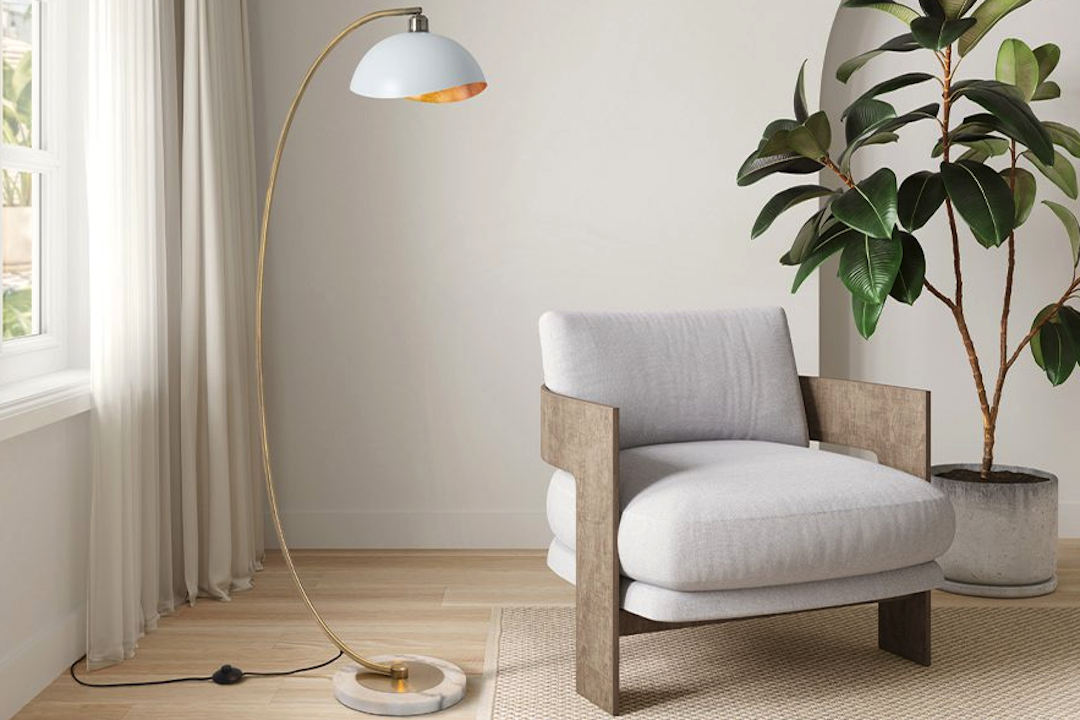
The shapes and silhouettes of MCM floor lamps are often highly recognizable. Common forms include arc lamps, with their dramatic overhead reach; tripod bases, offering stability and a distinctive geometric profile; and various pole lamps, sometimes featuring multiple adjustable heads. Organic curves, geometric precision, and a sense of dynamic balance characterize many designs. The absence of excessive ornamentation is a key identifier; the form itself provides the primary aesthetic interest.
Prominent Designers and Manufacturers
Awareness of influential designers and manufacturers can aid in identification. Figures such as Greta Grossman, with her iconic Grasshopper lamp; George Nelson, known for his bubble lamps; and Achille Castiglioni, whose Arco lamp remains a benchmark, represent the design prowess of the era. Manufacturers like Knoll, Herman Miller, and companies from Scandinavian nations produced many of the enduring MCM lighting designs. Researching specific designers and their signature styles can provide valuable context.
Functional Considerations for MCM Floor Lamps
While aesthetic appeal is a primary driver for selecting an MCM floor lamp, their functional aspects are equally important. A lamp’s utility, the type of light it emits, and its suitability for a given space are factors that warrant careful consideration. The interplay between form and function is a cornerstone of MCM design, meaning these lamps were intended to perform efficiently.
Illumination Types and Their Applications
MCM floor lamps offer various illumination types, each suited to different purposes.
Ambient Lighting
Ambient lighting provides overall illumination for a room. Many MCM floor lamps, particularly those with upward-facing bowls or diffuse shades, excel at this. They bathe a room in a soft, general glow, contributing to a comfortable atmosphere. Consider lamps with larger or more opaque shades for broader ambient light.
Task Lighting
Task lighting is focused illumination for specific activities, such as reading, crafting, or working. Arc lamps and pole lamps with adjustable heads are often ideal for task lighting, allowing the user to direct light precisely where needed. The ability to pivot or swivel the light source is a key feature for this application.
Accent Lighting
Accent lighting draws attention to specific architectural features, artwork, or decorative objects. Slim, directional floor lamps or those with spotlight-style heads can serve as accent lighting, creating focal points and enhancing the room’s visual hierarchy. The intensity and beam spread of the light source are important for effective accentuation.
Placement Strategies and Room Integration
The strategic placement of an MCM floor lamp can significantly impact a room’s functionality and aesthetic.
Corner Placement
Placing a floor lamp in a corner can effectively brighten an otherwise dim area, creating a sense of spaciousness. This also maximizes floor space in the main part of the room. A tripod lamp or a tall, slender pole lamp often works well in this context.
Adjacent to Seating Areas
Positioning a floor lamp next to a sofa or armchair provides essential task lighting for reading or other leisure activities. An arc lamp can bridge the gap over a seating area, bringing light overhead without requiring a ceiling fixture. The shade should ideally be at a height that prevents glare while adequately illuminating the task area.
As a Room Divider
In open-plan spaces, a tall floor lamp, particularly one with a distinctive silhouette, can subtly define zones without physically sectioning off the area. Its vertical presence acts as a visual anchor, subtly suggesting a delineation between different functional areas within a larger room.
Selecting the Right MCM Floor Lamp for Your Home
The process of selecting an MCM floor lamp involves a careful assessment of personal aesthetic preferences, functional requirements, and the existing design scheme of a room. It is a matter of finding a piece that acts as a cohesive element rather than a jarring anomaly within the space.
Assessing Your Interior Aesthetic
Consider the prevailing style of your home. If your decor is already Mid-Century Modern-centric, an authentic piece will complement it directly. For more eclectic or contemporary interiors, an MCM lamp can introduce a classic design element, acting as a point of contrast or a unifying feature. The lamp should resonate with the current design language of your home.
Scale and Proportion in Relation to Space
The physical size of the lamp relative to the room and other furniture is crucial. A large arc lamp might overwhelm a small room but provide a dramatic statement in a spacious living area. Conversely, a diminutive lamp might be lost in a grand room. Measure the intended space and compare it to the lamp’s dimensions, considering both height and footprint. The lamp, like a well-placed accent, should hold its own without dominating or being subsumed by its surroundings.
Material and Color Harmony
The materials and colors of the lamp should harmonize with existing elements in the room. If your space features warm wood tones, a lamp with brass or walnut accents might integrate more smoothly than one dominated by silver chrome. Similarly, the color of the shade can either blend with or provide a subtle contrast to the room’s color palette. Think of the lamp as a continuation of your home’s visual narrative, not a disruptive sentence.
Budgetary Considerations
Mid-Century Modern pieces, particularly original and well-preserved examples by renowned designers, can vary significantly in price. Establish a budget prior to your search. Reproductions and inspired designs offer more accessible price points while still capturing the aesthetic. Weigh the importance of authenticity against financial constraints.
Care and Maintenance of MCM Floor Lamps
Proper care and maintenance are essential for preserving the aesthetic and functional integrity of Mid-Century Modern floor lamps, particularly if they are vintage pieces. A well-maintained lamp continues its service as both a light source and a design object.
Cleaning Different Materials
Each material found in MCM floor lamps requires specific cleaning approaches.
Metal Components (Brass, Chrome, Steel)
Brass can be cleaned with a specialized brass cleaner to restore its luster; some prefer the aged patina. Chrome should be polished with a soft cloth and a non-abrasive cleaner to prevent scratching. Lacquered steel can generally be wiped down with a damp cloth. Always test a small, inconspicuous area first. Avoid harsh chemicals that can damage finishes.
Wood Elements
Wooden components, often oiled or lacquered, should be dusted regularly with a soft cloth. For deeper cleaning, use a wood cleaner appropriate for the finish, applied sparingly. Avoid excessive moisture, which can cause warping or cracking.
Shades (Fiberglass, Fabric, Parchment)
Fiberglass shades can be gently wiped with a damp cloth. Fabric shades generally require light vacuuming or spot cleaning with a mild detergent solution. Parchment or paper shades are more delicate and usually require only dry dusting. Direct exposure to sunlight can fade or brittle certain shade materials over time, so consider placement accordingly.
Electrical Safety and Bulb Choices
For vintage lamps, consider having the wiring inspected by a qualified electrician, especially if there are signs of fraying or degradation. Rewiring can be a necessary safety measure. When selecting bulbs, opt for LED bulbs that match the original incandescent wattage equivalent to prevent overheating and conserve energy. LED bulbs also offer various color temperatures, allowing you to fine-tune the ambiance. Ensure the bulb’s size and shape fit properly within the shade.
Longevity and Preservation Tips
To ensure the longevity of your MCM floor lamp, avoid placing it in direct sunlight or near heat sources, which can degrade materials. Handle the lamp with care, particularly when moving it, to prevent damage to delicate components or finishes. Regular, gentle cleaning contributes significantly to a lamp’s preservation. Viewing these pieces as functional art encourages responsible stewardship, allowing them to remain stylish and operative for years to come.