Soft diffused ceiling fixtures are a type of lighting designed to spread light evenly and gently across a space, minimizing harsh shadows and glare. This controlled illumination plays a crucial role in shaping the mood and atmosphere of an interior, particularly in creating a sense of warmth and comfort. Unlike direct light sources that cast sharp, defined shadows, diffused lighting functions more like a gentle cloud, softening the edges of objects and creating a more uniform, inviting glow.
To effectively utilize soft diffused ceiling fixtures, it is important to understand the principles of light Woolerdesign diffusion. This involves how light interacts with various materials and how that interaction can be harnessed to achieve a desired lighting effect.
The Physics of Light Diffusion
Light travels in straight lines. When it encounters an opaque object, it is blocked, creating a shadow. When it encounters a translucent or opaque surface designed for diffusion, the light rays are scattered in multiple directions. This scattering is the essence of diffusion. Think of a spotlight hitting a wall; it creates a bright circle with a sharp edge. Now imagine that spotlight hitting a frosted glass panel; the light spreads out, illuminating a larger area with a softer transition. The degree of diffusion depends on the properties of the diffusing material.
Types of Diffusing Materials
Several materials are commonly employed in the construction of soft diffused ceiling fixtures, each offering a slightly different quality of light.
Acrylic Diffusers
Acrylic, a transparent thermoplastic, is a popular choice for diffuser panels. It can be manufactured with varying degrees of translucency. When combined with textured surfaces or embedded particles, acrylic can effectively scatter light. Its durability and resistance to yellowing over time make it a practical option.
Polycarbonate Diffusers
Similar to acrylic, polycarbonate is another strong and impact-resistant plastic used for diffusers. It often offers higher impact strength compared to acrylic and can withstand a wider range of temperatures.
Frosted Glass
Traditionally, frosted glass has been used to diffuse light. The etching or sandblasting process creates a microscopic texture on the glass surface, scattering incoming light. While offering a classic aesthetic, glass diffusers can be heavier and more fragile than plastic alternatives.
Fabric Diffusers
In some contemporary designs, fabric materials coated with light-diffusing treatments are used. These can create a softer, more organic look. The weave and density of the fabric are key factors in determining the diffusion effectiveness.
The Impact of Soft Diffused Light on Ambiance
The primary benefit of using soft diffused ceiling fixtures lies in their ability to cultivate a cozy and inviting atmosphere. This is achieved through the absence of harshness and the presence of gentle illumination.
Eliminating Glare and Harsh Shadows
Direct light sources often produce glare, which is excessive brightness that can cause visual discomfort. Harsh shadows can also make a space feel dramatic or even unsettling, rather than comfortable. Diffused light, by contrast, spreads the light out, reducing the intensity on any single point and softening the edges of shadows. This creates a more relaxed visual environment, akin to the gentle light of a cloudy day compared to the starkness of direct sunlight.
Creating a Sense of Warmth and Comfort
The psychological effect of soft light is often associated with feelings of warmth and security. This is partly due to our evolutionary predisposition to associate softer, warmer light with periods of rest and safety, such as dusk or candlelight. Diffused ceiling fixtures contribute to this by enveloping the room in a gentle, even glow, making it feel more enclosed and intimate.
Enhancing Interior Design Elements
Soft diffused light can subtly enhance the textures and colors of interior design elements. Instead of starkly highlighting surfaces, it washes them with a more even tone, allowing the materials themselves to be appreciated without the distraction of strong contrasts. This can make spaces feel more cohesive and harmonious.
Types of Soft Diffused Ceiling Fixtures
The category of soft diffused ceiling fixtures encompasses a variety of form factors and designs, each suited to different applications and aesthetic preferences.
Recessed Downlights with Diffuser Trims
Recessed downlights are fixtures installed flush with the ceiling. When equipped with diffuser trims, they can provide a soft, ambient wash rather than a focused beam.
Surface-Mounted Diffuser Panels
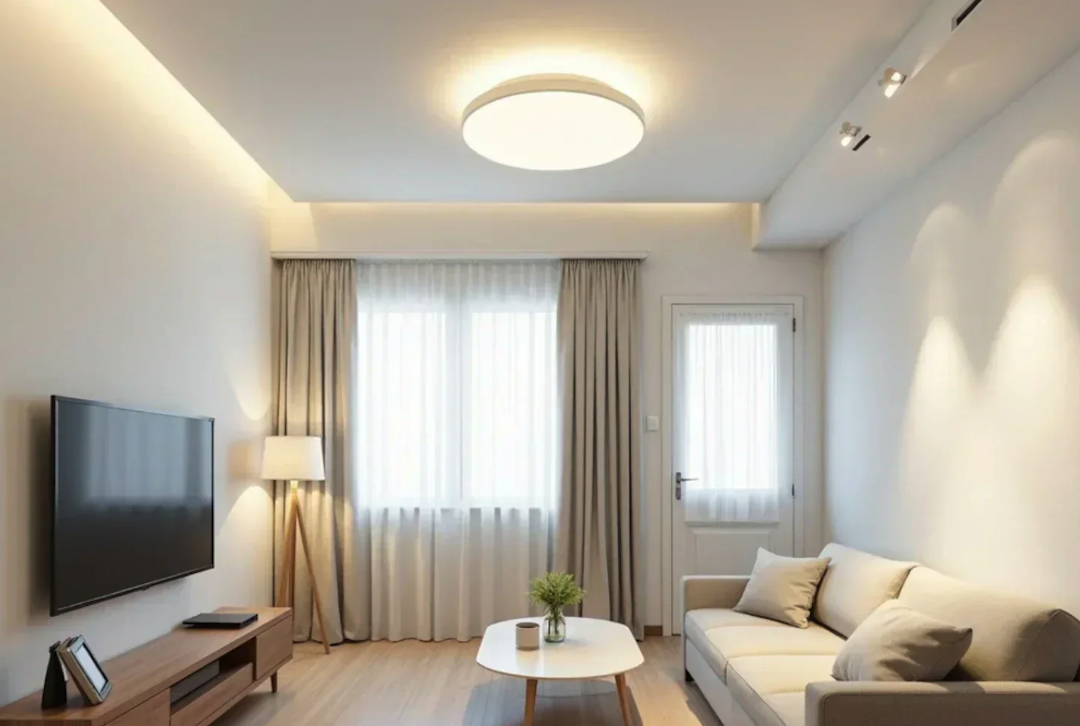
These fixtures are mounted directly onto the surface of the ceiling and typically feature a larger diffuser panel that spreads light over a wider area. They are often used in spaces where recessed installation is not feasible.
Cove Lighting Systems
Cove lighting involves installing fixtures along the perimeter of a room, often in a recessed channel, directing light upwards onto the ceiling. The light then bounces down, creating a very soft, indirect illumination.
Linear Diffused Fixtures
Linear fixtures, in the form of bars or strips, can be used to provide continuous diffused light across a space. These are particularly effective in kitchens, hallways, or modern living areas.
Drum Chandeliers with Fabric Diffusers
Certain chandeliers incorporate a drum-shaped shade made from fabric or other diffusing materials, providing a softer, more ambient light than traditional open-bulb chandeliers.
Applications in Various Rooms
The inherent qualities of soft diffused ceiling fixtures make them versatile and beneficial in a wide range of domestic and commercial settings.
Living Rooms and Lounges
In living areas, the goal is often to create a relaxing and inviting atmosphere for socializing and unwinding. Soft diffused light contributes significantly to this by providing a gentle, uniform illumination that doesn’t strain the eyes. Think of it as painting the room with light, rather than dabbing it with a brush.
Creating a Reading Nook
While not the primary source for focused task lighting, a well-placed diffused fixture can contribute to the overall ambiance of a reading nook, complemented by a more direct reading lamp.
Enhancing Conversation Areas
The soft glow from diffused fixtures makes conversation feel more intimate and comfortable, as it minimizes visual distractions and creates a harmonious environment.
Bedrooms
Bedrooms are spaces dedicated to rest and rejuvenation. Harsh lighting is antithetical to this purpose, making soft diffused fixtures ideal for achieving a tranquil mood.
Promoting Relaxation Before Sleep
The gentle illumination from these fixtures can help signal to the body that it’s time to wind down, contributing to a more restful state.
Soft Ambient Lighting for Waking
A dimly lit, diffused fixture can provide enough light to navigate a bedroom in the early morning without being jarring.
Dining Rooms
The dining experience is often enhanced by lighting that promotes a sense of occasion and comfort. Soft diffused light can achieve this by creating a warm and inviting table setting.
Setting a Welcoming Mood for Guests
The gentle illumination can make guests feel more at ease and enhance the enjoyment of the meal.
Avoiding Glare on Tableware
Diffused light prevents harsh reflections on glassware and silverware, allowing the food and company to be the focus.
Home Offices and Studies
While task lighting is paramount in a home office, ambient diffused lighting plays a supporting role in creating a comfortable and productive environment.
Reducing Eye Strain During Long Work Sessions
By minimizing glare and harsh shadows, diffused light can help reduce eye fatigue, especially when combined with appropriate desk lamps.
Providing a Calming Backdrop
A soft ambient glow can contribute to a more focused and less stressful work atmosphere.
Factors to Consider When Selecting Soft Diffused Ceiling Fixtures
Choosing the right diffused ceiling fixture involves considering several practical and aesthetic elements to ensure optimal performance and integration within a space.
Light Output (Lumens)
Lumens measure the total amount of visible light emitted by a source. The number of lumens required will depend on the size of the room and the desired level of brightness. A fixture with a high lumen output, combined with effective diffusion, can illuminate a larger space without appearing harsh.
Color Temperature (Kelvin)
Color temperature describes the perceived warmth or coolness of light. For creating a cozy ambiance, warmer color temperatures (e.g., 2700K to 3000K) are generally preferred. These mimic the color of incandescent bulbs and provide a yellowish hue. This is analogous to the difference between the bright, cool light of midday sun and the warm, amber tones of sunset.
Dimming Capabilities
The ability to dim diffused ceiling fixtures offers a significant advantage in controlling ambiance. Dimming allows you to adjust the light intensity to suit different activities and times of day, further enhancing the versatility of these fixtures. This acts like a volume control for light, allowing you to fine-tune the atmosphere.
Fixture Style and Aesthetics
The design of the fixture itself should complement the interior style of the room. From minimalist modern to more traditional designs, there is a wide array of diffused ceiling fixtures available to suit diverse tastes. The diffuser material and the housing can significantly impact the overall aesthetic.
Energy Efficiency
Given the growing emphasis on sustainable practices, energy-efficient options like LED diffused fixtures are increasingly popular. LEDs consume less energy and have a longer lifespan, offering both economic and environmental benefits.
Installation Considerations
The method of installation, whether recessed, surface-mounted, or integrated into a cove, will depend on the architectural features of the room and the desired lighting effect. Proper installation is crucial for achieving the intended diffusion and avoiding light leaks.
The Psychological and Physiological Effects of Soft Light
The impact of soft diffused light extends beyond mere aesthetics, influencing our psychological and physiological states.
Promoting Relaxation and Reducing Stress
The gentle, consistent illumination provided by diffused fixtures can have a calming effect, helping to lower stress levels and promote relaxation. This is because the absence of harsh contrasts and glare reduces cognitive load and visual strain.
Improving Sleep Quality
In bedrooms, the use of warmer, dimmer diffused lighting in the evening can aid in regulating the body’s natural sleep-wake cycle. Cooler, brighter light can suppress melatonin production, a hormone that regulates sleep, while warmer light is less disruptive.
Enhancing Mood and Well-being
A space illuminated with soft, even light can contribute to a more positive mood and overall sense of well-being. It creates an environment that feels comforting and welcoming, fostering a sense of belonging.
Supporting Visual Comfort
For individuals with light sensitivity or eye conditions, soft diffused lighting can significantly improve visual comfort and reduce discomfort associated with glare and bright spotlights. This is akin to wearing sunglasses on a bright day, but for your entire environment.
Soft diffused ceiling fixtures, therefore, are more than just sources of illumination; they are tools for shaping atmosphere, promoting well-being, and enhancing the everyday experience of inhabiting interior spaces. Their ability to soften the visual landscape and create a gentle, welcoming glow makes them an essential element in thoughtful interior design.