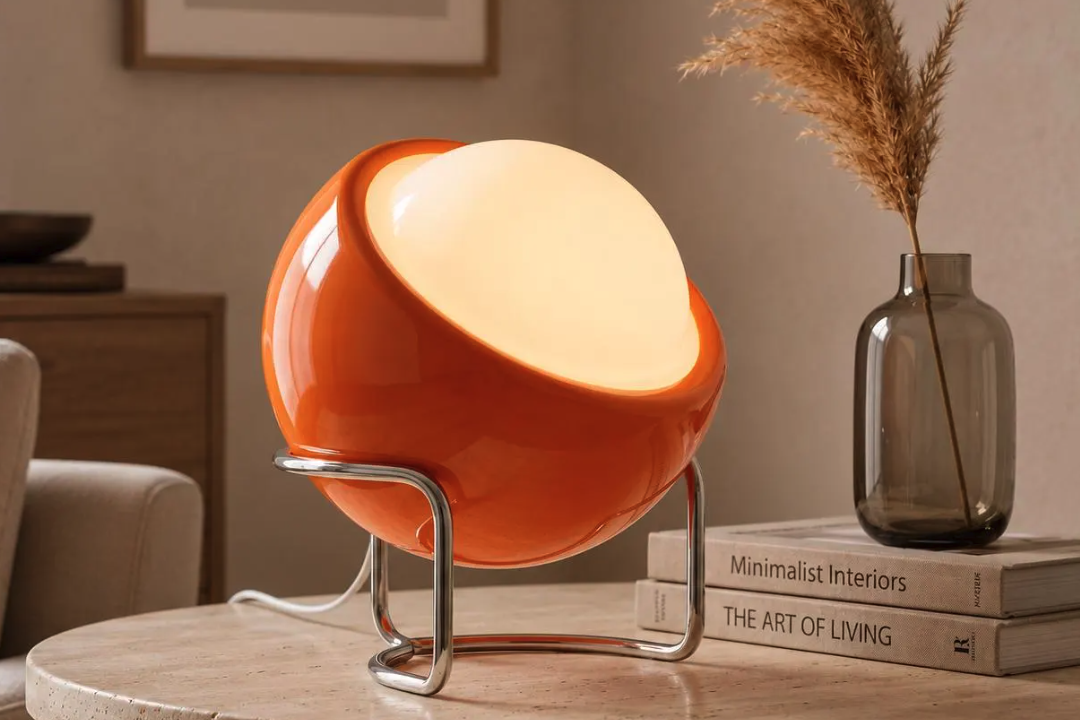
So, you’re curious about that groovy orange acrylic table lamp from the ’70s, huh? The one that screams “space age” and makes you want to put on some disco? Well, good news: these lamps are more than just a kitschy relic; they’re a fascinating blend of design history, material innovation, and a whole lot of mood. In short, they’re iconic for a reason, and if you’re thinking about adding one to your digs, you’re in for a treat.
Why Acrylic? The Material That Defined an Era
Let’s start with the heart of the matter: acrylic. Back in the 1970s, plastics were still relatively new and exciting, not the environmental villain they often are today. Acrylic, specifically, was seen as a miracle material. It was lightweight, durable, and, crucially for designers, could be molded into mind-bending shapes that traditional materials like glass or metal simply couldn’t achieve. This versatility allowed for the smooth, often organic, and always futuristic forms we associate with Space Age design.
The Appeal of Translucency and Color
Beyond its moldability, acrylic brought a whole new dimension to lighting Hifies: translucency. Imagine a lamp that doesn’t just block light or reflect it, but actually glows from within. This property, combined with the vibrant color palette popular in the ’70s – think oranges, yellows, and greens – created a distinct visual experience. The light filtered through the orange acrylic wasn’t just illumination; it was a warm, ambient glow that instantly transformed a room. It was less about practical task lighting and more about creating an atmosphere. The orange, in particular, was a favorite, perhaps echoing the sunsets of distant planets or simply because it popped.
A Nod to Affordability and Mass Production
While many iconic ’70s designs are now collector’s items, acrylic’s relative affordability compared to glass or metal meant these lamps were accessible to a wider audience. This allowed the Space Age aesthetic to truly permeate homes, not just high design showrooms. Mass production methods for plastics meant these futuristic, stylish pieces could be bought by the average person, democratizing good design in a way that hadn’t been possible before. It was a forward-thinking material for a forward-thinking time.
The Space Age Aesthetic: More Than Just Rockets
The “Space Age” style wasn’t just about rockets and astronauts, though those certainly played a role. It was a broader cultural fascination with the future, technological advancement, and a break from traditional forms. The 1970s, following the moon landing and significant leaps in science, were ripe for this kind of optimistic, forward-looking design.
Curves, Spheres, and Geometric Forms
Remember those smooth, continuous curves and perfectly round spheres found in many ’70s pieces? That’s pure Space Age. The lamps often mimicked the streamlined forms of spacecraft or celestial bodies. There was a deliberate move away from sharp angles and ornate detailing towards a more minimalist, clean aesthetic. Geometric shapes – circles, spheres, ovals, and even truncated cones – were foundational. These shapes felt new and exciting, a clear departure from the more classical or even mid-century modern designs that preceded them.
Optimism for the Future (and a Dash of Sci-Fi)
At its core, Space Age design was optimistic. It embodied a belief in progress and a bright, technologically advanced future. These lamps, with their otherworldly glow and futuristic shapes, were symbols of that hope. They brought a touch of science fiction directly into your living room, making everyday objects feel a little bit extraordinary. Owning one was like owning a small piece of tomorrow, today. It wasn’t just about lighting a room; it was about lighting up imaginations.
The Influence of Pop Art and Counterculture
While Space Age design often had a sleek, almost sterile feel, it also overlapped significantly with the vibrant energy of Pop Art and the emerging counterculture. The bold use of color, like the iconic orange, wasn’t just functional; it was a statement. It rejected muted tones and embraced optimism and playfulness. The lamps became more than just utilitarian objects; they were art pieces, conversation starters, and expressions of individual style. The “groovy” aspect certainly came from this intersection, where futuristic forms met a more liberated and expressive approach to color and design.
Finding Your Own Groovy Glow: What to Look For
So, you’re convinced you need one of these orange beauties. Great! But how do you go about finding one that’s authentic, well-preserved, and won’t break the bank? It requires a bit of an eye and a bit of patience, but it’s totally doable.
Authenticity and Hallmarks
First things first: authenticity. While many lamps draw inspiration from this era, a true vintage piece will often have tell-tale signs. Look for manufacturer marks, though these aren’t always present or easy to read. Key designers from this period include Vico Magistretti, Joe Colombo, Verner Panton, and Luigi Massoni, to name a few. Lamps by these designers command higher prices, but there are also many fantastic unbranded pieces that capture the same spirit. Researching common designs and materials will help you spot a genuine article versus a modern reproduction. The thickness and specific hue of the acrylic often differ in vintage pieces compared to newer versions.
Condition of the Acrylic
This is crucial. Acrylic, while durable, is susceptible to scratches, hazing, and sometimes even yellowing (though less common with orange). Minor surface scratches are to be expected with age and can often be buffed out with specialized acrylic polish. Deep cracks or significant hazing are more problematic and might be deal-breakers. Check for structural integrity, especially if the lamp has multiple acrylic components. The way the light passes through the material can reveal flaws that are harder to see in direct light. Hold it up to a window or use a flashlight to get a clearer picture of its condition.
Electrical Components Check
Safety first! Always inspect the wiring, plug, and bulb socket. Older wiring can be brittle, frayed, or ungrounded, posing a fire hazard. If you’re not comfortable with electrical work, factor in the cost of having a qualified electrician re-wire the lamp. This is a common and relatively inexpensive update that ensures your groovy new lamp is safe to use. Many vintage lamps will also come with their original, often less efficient, bulb types. Consider switching to an LED bulb with a warm color temperature to mimic the original glow while saving energy.
Price and Value Considerations
The price range for these lamps varies wildly depending on designer, condition, rarity, and seller. Unbranded, good-condition lamps might go for a couple of hundred dollars, while a recognized piece by a famous designer could fetch thousands. Don’t be afraid to haggle, especially at flea markets or antique shops. Online, compare prices across different platforms. Sometimes, finding a piece with minor cosmetic flaws at a lower price and then restoring it yourself can be a rewarding and cost-effective option. Think about what you’re willing to invest both financially and in terms of effort.
Integrating into Modern Interiors: Not Just for Time Travelers
Worried an orange Space Age lamp will make your living room look like a ’70s movie set? Don’t be! These pieces are incredibly versatile and can add a fantastic pop of personality to a variety of contemporary settings.
A Pop of Color and Personality
In a world often dominated by neutrals and minimalist aesthetics, an orange acrylic lamp is a welcome jolt of color. It doesn’t just illuminate; it makes a statement. It’s a conversation starter, a focal point, and an instant infusion of personality into a room that might otherwise feel a bit too subdued. Think of it as a piece of art that also happens to light up. It adds warmth and vibrancy without being overwhelming.
Complementing Mid-Century Modern and Contemporary Styles
Surprisingly, these lamps play exceptionally well with both mid-century modern and even sleek contemporary decor. The clean lines and innovative materials of Space Age design actually have a lot in common with mid-century sensibilities. When paired with modern furniture, the lamp acts as an eclectic accent, preventing the space from feeling too sterile or generic. The contrast between old and new can be really striking and visually interesting.
Strategic Placement and Lighting Effects
Consider where you place your lamp. On a side table, it can create a cozy reading nook. In a corner, it can cast a warm, ambient glow across the room, eliminating harsh shadows. Because of its translucent nature, the light it emits is soft and diffused, making it ideal for creating a relaxed atmosphere. Avoid placing it somewhere too cluttered, as its unique form deserves to be seen and appreciated. Experiment with different bulb wattages and color temperatures to fine-tune the mood.
Mixing Textures and Materials
To avoid a monochromatic look, pair your acrylic lamp with other textures and materials. Think natural wood, plush fabrics, metallic accents, or even concrete. The smooth, glossy surface of the acrylic will provide a nice contrast to more tactile elements. This layering of textures elevates the overall design of the room and ensures the lamp feels integrated rather than dropped in from another era.
The Cultural Impact: Beyond the Lamp Itself
These lamps are more than just functional objects; they are cultural artifacts that reflect a specific moment in time – a time of boundless optimism, rapid technological change, and shifting design paradigms.
A Symbol of ’70s Optimism and Futurism
The 1970s, despite some internal turbulence, was a decade fascinated by the future. Space exploration continued to capture imaginations, and technology promised a brave new world. These lamps, with their smooth, almost alien forms and vibrant colors, perfectly encapsulated that sense of optimism and futurism. They were objects that looked like they belonged in a spaceship, right in your living room, bridging the gap between imagination and reality. They were a cheerful visual representation of looking forward, not backward.
Enduring Appeal in Pop Culture
Even today, these lamps pop up in movies, TV shows, and magazine spreads whenever a dose of ’70s cool is needed. They’ve become an immediate visual shorthand for the era, signaling a certain type of style, mood, or character. This constant presence in pop culture only solidifies their iconic status and ensures their enduring allure. They’re instantly recognizable and evoke a particular aesthetic that continues to resonate.
A Collector’s Item and Design Statement
For many, these lamps are genuine collector’s items. Whether it’s a specific designer piece or a well-preserved unbranded find, owning one is a statement. It tells a story about design history, material innovation, and a bold embrace of color. It’s an appreciation for a time when design was playful, adventurous, and unafraid to push boundaries. These aren’t just lamps; they’re tangible pieces of design heritage that continue to inspire and delight.
Sustainability and Re-use
In today’s world, where sustainability is a major concern, embracing vintage items like an acrylic Space Age lamp makes a lot of sense. Instead of buying new, mass-produced items, you’re giving a pre-loved piece a second life. This reduces waste and contributes to a more circular economy. Plus, the quality and design of many vintage pieces often surpass their modern counterparts. It’s a way to be both stylish and environmentally conscious, a win-win in our current climate.