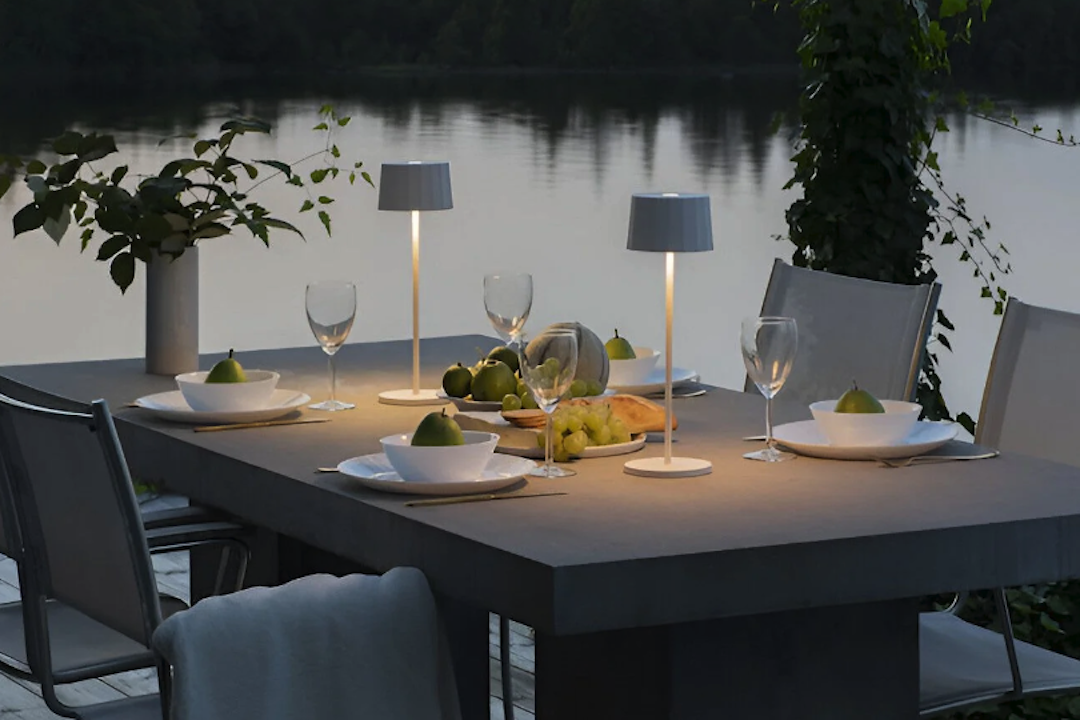
The introduction of rechargeable cordless table lamps has introduced a new dimension to outdoor dining. These luminaries, as they are essential for creating atmosphere and providing functional light, have evolved from their wired predecessors.
Before the advent of battery-powered solutions, outdoor dining relied on a limited array of lighting Vopdesign options. These often involved open flames, such as candles or gas lanterns, which presented inherent risks and limitations.
The Era of Open Flames
- Candles: For centuries, candles served as a primary source of portable illumination. Their flickering light offered a certain ambiance, but their short burn time, susceptibility to wind, and fire hazard restricted their practicality for extended outdoor dining. Wax drips were also a common nuisance, a silent uninvited guest at the table.
- Oil Lamps and Lanterns: Kerosene and paraffin oil lamps provided a brighter and longer-lasting light than candles. However, they also produced soot and fumes, and the risk of spillage or breakage remained a concern. Gas lanterns, while more potent, required a fuel source and careful handling. These were akin to tiny, albeit charming, industrial sites disrupting the tranquility of a meal.
The Arrival of Electricity
The widespread adoption of electricity brought wired lighting solutions to outdoor spaces. However, this often necessitated complex and costly installations.
- Permanent Fixtures: String lights and wall-mounted lanterns became common, offering a more stable and safer alternative to open flames. Yet, these fixtures were fixed in place, limiting flexibility in table arrangement and ambiance creation. Running extension cords across patios or gardens was a persistent battle, a tangle of wires akin to a Gordian knot for outdoor spaces.
- Limitations of Wired Systems: The need for proximity to power outlets dictated where tables could be placed. This lack of freedom could stifle spontaneity and the desire to create a dining experience in various garden nooks or patio corners. It was like trying to conduct an orchestra with all instruments tethered to a single power strip.
The Emergence of Cordless Technology
The miniaturization of battery technology and the development of efficient LED lighting have paved the way for rechargeable cordless table lamps. This innovation has liberated outdoor dining from the constraints of power cords and open flames.
Advancements in Battery Technology
- Lithium-ion Batteries: The widespread use of lithium-ion batteries in consumer electronics has made them accessible and cost-effective for lighting applications. These batteries offer a good balance of energy density, lifespan, and rechargeability.
- Charging Mechanisms: Modern cordless lamps typically employ USB charging, making it convenient to power them up using common chargers, power banks, or even car adapters. Some models also feature inductive charging bases for an even more seamless experience.
The Rise of LED Efficiency
- Energy Consumption: Light Emitting Diodes (LEDs) are significantly more energy-efficient than traditional incandescent bulbs. This allows cordless lamps to operate for extended periods on a single charge.
- Durability and Lifespan: LEDs are also more robust and have a much longer operational lifespan, reducing the need for frequent replacements.
Features of Rechargeable Cordless Table Lamps
These modern luminaries offer a range of features that enhance their utility and appeal for outdoor dining.
Design and Aesthetics
- Material Variety: Lamps are available in a wide array of materials, including metal, plastic, glass, and even natural elements like wood or rattan. This allows them to complement diverse outdoor décor styles.
- Form Factors: From sleek, minimalist designs to more ornate and decorative pieces, there is a cordless lamp to suit virtually any aesthetic preference. Some are designed to mimic traditional lanterns, while others embrace contemporary forms.
- Portability and Stability: Their cordless nature makes them inherently portable. Manufacturers also focus on stable bases to prevent tipping in gentle breezes, ensuring the light remains where it is intended.
Lighting Control and Customization
- Brightness Adjustment: Many lamps offer adjustable brightness levels, allowing users to tailor the light intensity to the mood and activity. A gentle glow for conversation or brighter illumination for reading a menu are both achievable.
- Color Temperature Options: Some models provide the ability to adjust the color temperature of the light, from warm, cozy tones to cooler, more neutral shades. This offers a subtle but impactful way to influence the atmosphere.
- Smart Features: A growing number of lamps integrate with smart home systems, allowing for control via voice commands or mobile applications, offering unparalleled convenience. This can feel like having a personal lighting conductor at your fingertips.
Durability and Weather Resistance
- Material Selection: Outdoor-rated materials are crucial, and manufacturers use weather-resistant finishes and sealed components to protect against the elements.
- IP Ratings: Ingress Protection (IP) ratings indicate a lamp’s resistance to dust and water. Choosing a lamp with an appropriate IP rating is essential for ensuring its longevity in an outdoor environment. This rating acts as a shield against nature’s less hospitable moods.
Enhancing the Outdoor Dining Experience
The primary benefit of rechargeable cordless table lamps lies in their ability to transform the ambiance and practicality of outdoor dining.
Creating Ambiance and Mood
- Soft, Inviting Light: The gentle, diffused light from these lamps creates a warm and inviting atmosphere, encouraging relaxation and conversation. It’s a far cry from the harsh glare of overhead lighting.
- Eliminating Shadows: Strategically placed lamps can eliminate harsh shadows and uneven lighting, ensuring that food and faces are well-lit without being stark.
- Versatile Placement: The cordless design allows for flexibility in table arrangements. Lamps can be placed directly on the table, on side tables, or even on garden walls or pathways, guiding the way and setting the scene. This freedom is like a painter choosing where to place their brushstrokes on a canvas.
Improving Functionality and Practicality
- Extended Dining Hours: These lamps extend the usability of outdoor dining spaces well into the evening, allowing for leisurely meals without the limitation of daylight.
- Readability: Sufficient light levels ensure that menus can be read, dishes can be appreciated, and conversations can flow without straining one’s eyes.
- Safety: Well-lit pathways and dining areas contribute to overall safety, reducing the risk of trips or falls.
Eliminating the Drawbacks of Traditional Lighting
- No Cords: The absence of cords removes the tripping hazard and the visual clutter that can detract from the dining experience.
- No Open Flames: The safety concerns associated with open flames, such as fire risk and accidental burns, are completely eliminated.
- No Fumes or Soot: Unlike oil or gas lamps, cordless LED lamps produce no unpleasant odors or sooty residue.
Considerations for Selection and Use
When choosing and using rechargeable cordless table lamps for outdoor dining, several factors warrant consideration.
Power and Battery Life
- Usage Duration: Assess how long you typically dine outdoors and choose a lamp with a battery life that meets your needs. Some lamps offer multiple hours of illumination on a single charge, while others are designed for shorter, more ambient use.
- Charging Time: Consider how quickly the lamp recharges, especially if you plan to use it frequently.
- Battery Replacement: For lamps with integrated batteries, understand their expected lifespan and the process for replacement, if possible. For those with removable batteries, consider purchasing spares for uninterrupted use.
Light Output and Quality
- Lumens: The lumen output indicates the brightness of the lamp. Choose a level that is appropriate for your intended use – generally, lower lumens are suitable for ambiance, while higher lumens are better for readability.
- Color Rendering Index (CRI): A higher CRI indicates that the lamp will render colors more accurately, which is important for appreciating the visual appeal of food.
- Beam Angle: The beam angle determines how the light is distributed. A wider beam angle is generally preferable for illuminating a dining table.
Durability and Maintenance
- Weather Resistance: As mentioned, check the IP rating to ensure the lamp can withstand exposure to rain and dust.
- Material Quality: Invest in lamps made from durable materials that will hold up to outdoor conditions and regular use.
- Cleaning: Understand how to clean and maintain the lamp to ensure its longevity and optimal performance, particularly the lenses and housing.
Integration into Outdoor Space
- Style and Scale: Select lamps that complement the existing décor and scale of your outdoor dining area. A tiny lamp on a large table might look out of place, as would an overly large one on a small bistro set.
- Number of Lamps: Determine how many lamps are needed to provide adequate and balanced illumination for your specific dining setup.
- Placement Strategy: Plan where the lamps will be placed to create the desired ambiance and ensure they do not obstruct movement or conversation.
Rechargeable cordless table lamps represent a significant advancement in outdoor dining solutions. By offering freedom from cords, safety from open flames, and the ability to create a tailored ambiance, they enhance both the functionality and the enjoyment of al fresco meals, transforming ordinary evenings into memorable experiences. They are not merely sources of light; they are instruments for crafting atmosphere, silent conductors of evening pleasure.