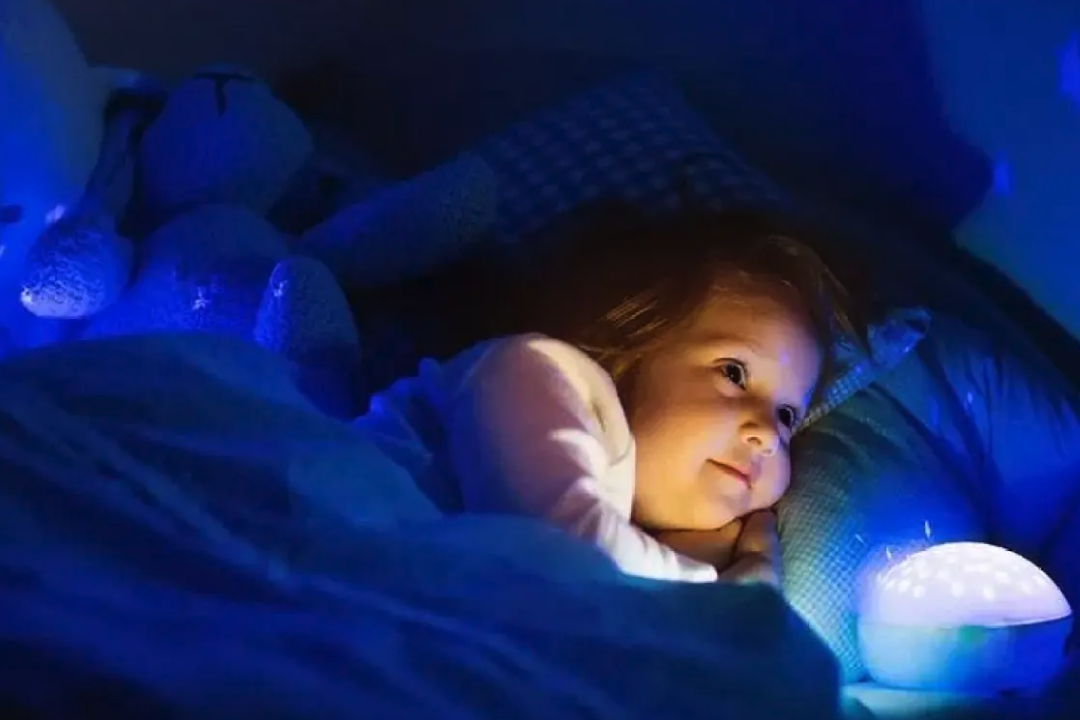
When setting up your baby’s nursery, one item that often gets overlooked but can make a real difference is an eye-care night light. Instead of a standard, overly bright light or one that casts odd shadows, an eye-care night light is specifically designed to provide gentle illumination that won’t disrupt your baby’s sleep or strain their developing eyes. These lights typically emit a warm, soft glow, often in the red or amber spectrum, and are dimmable, making them ideal for those middle-of-the-night checks and feedings without fully waking your little one or yourself.
Traditional lighting, even dim versions, can sometimes be too harsh for a newborn’s sensitive eyes. Their visual system is still very much in development, and prolonged exposure to bright, blue-spectrum light Xlightings, especially at night, can be counterproductive. This isn’t just about comfort; it’s about supporting healthy sleep patterns and eye development.
Understanding Blue Light’s Impact
Blue light, which is prevalent in many modern LED lights and electronic screens, is known to suppress melatonin production. Melatonin is the hormone that tells our bodies it’s time to sleep. For adults, this can lead to restless nights, and for babies, whose sleep cycles are still forming, it can be particularly disruptive. An eye-care night light minimizes or eliminates blue light, allowing your baby’s body to naturally produce melatonin and encouraging more consistent sleep.
Supporting Visual Development
While babies don’t distinguish colors as finely as adults do at birth, their eyes are constantly working to process light and form images. A gentle, diffused light source prevents the sudden glare or sharp contrasts that could be startling or uncomfortable. Think of it like this: would you prefer to wake up to a soft sunrise or a sudden floodlight? Your baby probably feels the same.
Key Features of Effective Eye-Care Night Lights
Beyond just being “soft,” true eye-care night lights incorporate several specific design choices that are beneficial for a nursery environment. Knowing what to look for will help you choose the right one.
Warm, Red-Spectrum Lighting
The most defining feature of an eye-care night light is its color temperature. You’ll want to opt for lights that emit warm hues, specifically in the red, amber, or very warm orange spectrum. These colors have the least impact on melatonin production, which is crucial for maintaining sleep. Avoid anything that looks white, blue, or even cool-toned yellow.
Dimmable Functionality
A good night light isn’t a one-size-fits-all brightness. The ability to adjust the intensity is key. You might need a slightly brighter setting for a diaper change, but then want to dim it down to a barely perceptible glow for continuous overnight use. This flexibility prevents you from fumbling with multiple light sources or having to choose between too bright and too dark.
Diffused Light Output
Harsh, direct light creates hot spots and shadows, which can be unsettling. Look for night lights with a diffused output. This means the light source is covered by a material that spreads the light evenly, eliminating glare and creating a soft, ambient glow across the room rather than a focused beam. Frosted covers or dome shapes are common designs for this purpose.
Motion or Sound Activation
For parents who prefer a completely dark room until needed, motion or sound-activated night lights can be incredibly practical. They only illuminate when movement is detected (like you entering the room) or when your baby stirs and makes a sound. This preserves the darkness for undisturbed sleep, only offering light when truly necessary. Ensure the activation is gentle and doesn’t suddenly blast light.
Timer Functionality
Some night lights come with a timer, allowing them to turn off automatically after a set period. This can be useful if you only need the light for a specific task, like a feeding, and don’t want it on all night. It also helps conserve energy.
Placement and Usage: Getting it Right
Even the best eye-care night light won’t be effective if it’s not positioned correctly or used thoughtfully. A little planning goes a long way here.
Strategic Placement for Optimal Glow
Avoid placing the night light directly above the crib or where it can shine directly into your baby’s eyes, even if it’s a soft light. The goal is ambient illumination, not direct exposure. A good spot is typically across the room, on a dresser, a low shelf, or even plugged into an outlet closer to the floor. This allows the light to bounce off walls and create a gentle, overall glow.
Only Use When Necessary
While eye-care night lights are designed to be less disruptive, the ideal sleeping environment for a baby is still a dark one. Use the night light primarily for those moments when you need to see: late-night feedings, diaper changes, or comforting a crying baby. For continuous illumination, keep it on the lowest possible setting.
Consider a Second, Brighter Light for Specific Tasks
Sometimes, you might need a bit more light than even the brightest setting of your eye-care night light offers, especially if you’re dealing with a particularly messy situation. Have a separate, slightly brighter, but still warm-toned light available that you can turn on quickly for these instances, then switch off promptly. This avoids the need to over-brighten your eye-care night light unnecessarily.
Beyond the Light: Creating a Holistic Sleep Environment
An eye-care night light is a valuable tool, but it’s part of a larger picture when it comes to fostering good sleep habits and a comfortable nursery.
Temperature and Air Quality
Babies sleep best in a slightly cooler room, generally between 68 and 72 degrees Fahrenheit (20-22 degrees Celsius). Ensure good air circulation and consider an air purifier if allergies or dust are a concern. A comfortable room temperature means less fussing and more consistent sleep.
Sound Soothing Options
Some babies sleep better with a little background noise. White noise machines, gentle lullabies, or nature sounds can help mask household noises and create a consistent auditory environment. Just like with light, keep the volume low and consistent, not startling.
Safe Sleep Practices
Always prioritize safe sleep guidelines: babies should sleep on their backs in a firm crib mattress, on their own, free of loose blankets, bumpers, or toys. No amount of perfect lighting can compensate for unsafe sleep practices.
Calming Bedtime Routine
A consistent routine signals to your baby that it’s time to wind down. This could include a warm bath, gentle massage, a quiet story, or a soft song. An eye-care night light can be subtly incorporated into this routine, used perhaps during the feeding or story time just before placing them in the crib. The dim, warm light helps facilitate the transition from active awake time to sleepy time.
Long-Term Benefits of Thoughtful Lighting
The benefits of choosing an eye-care night light extend beyond just immediate comfort. You’re building a foundation for healthy sleep and visual habits that can carry into childhood.
Promoting Healthy Circadian Rhythms
By minimizing blue light exposure at night, you’re helping your baby’s body learn to distinguish between day and night more effectively. This supports the development of a robust circadian rhythm, which is essential for overall health, mood, and cognitive function as they grow. Consistent sleep patterns learned early on can reduce struggles with bedtime later.
Supporting Eye Health and Development
While not a substitute for professional eye care, providing a visually comfortable environment supports healthy development. Avoiding unnecessary glare and harsh light reduces potential strain and discomfort, contributing to an overall positive visual experience for your baby as their eyes continue to mature and strengthen.
Peace of Mind for Parents
Ultimately, a well-thought-out nursery, including an eye-care night light, contributes to your peace of mind. Knowing you’ve taken steps to create a gentle, supportive environment for your baby’s sleep and development means one less thing to worry about. Those middle-of-the-night interactions become a little bit easier when you can see what you’re doing without fully jarring yourself or your baby awake. It’s about making those moments of care as smooth and comfortable as possible for everyone involved.