Looking for a desk lamp that’s both functional and stylish? A classic American vintage desk lamp could be exactly what you need for your study. These lamps offer a timeless aesthetic that brings a certain character to your workspace, along with practical lighting that’s often superior to modern alternatives. They’re built to last and often have features that make them ideal for focused tasks.
When you opt for a vintage desk lamp Lucksnail, you’re not just buying a light source; you’re acquiring a piece of design history. These lamps were often crafted with durability and utility in mind, a stark contrast to some mass-produced items today.
Durability and Craftsmanship
One of the most appealing aspects of vintage American desk lamps is their build quality. Manufacturers from decades past often prioritized robust materials and construction techniques. You’ll frequently find lamps made from solid brass, steel, or cast iron, materials that stand the test of time.
- Solid Construction: Unlike some contemporary lamps that might use flimsy plastic bases or thin metal, vintage lamps often boast substantial weight and stability, meaning they won’t easily tip over while you’re working.
- Quality Components: Switches, sockets, and wiring in older lamps, especially those built before widespread planned obsolescence, were often made to be repairable rather than disposable. This means a well-maintained vintage lamp can outlast many new models.
Timeless Aesthetic Appeal
The classic American vintage desk lamp has a look that never really goes out of style. Whether your study leans towards traditional, industrial, or even a more eclectic modern aesthetic, these lamps can seamlessly integrate and even become a focal point.
- Versatile Design: From the functional elegance of an Art Deco task lamp to the industrial charm of an Anglepoise-style fixture, there’s a wide variety of designs that appeal to different tastes.
- Adding Character: A vintage lamp instantly adds a layer of character and history to your study, making it feel less like a generic workspace and more like a personal haven. It’s a conversation starter, reflecting a deliberate choice rather than a hasty purchase.
Sustainable and Resourceful
Choosing vintage is also a resourceful approach to furnishing your home. By giving an existing object a new life, you’re contributing to sustainability.
- Reduces Waste: You’re preventing an item from ending up in a landfill and reducing the demand for new production, which consumes resources and energy.
- Unique Finds: Each vintage lamp has its own story, its own patina, making it unique. You’re unlikely to find the exact same lamp in every furniture store.
Key Features to Look for
When shopping for a classic American vintage desk lamp, there are several practical features that make some models more suitable for study use than others.
Adjustable Arms and Shades
For a study lamp, adjustability is paramount. You need to be able to direct light precisely where you need it, whether that’s on your textbook, keyboard, or notebook.
- Articulation: Lamps with multiple pivot points or gooseneck designs allow you to position the light beam effectively, minimizing glare and maximizing illumination on your work surface.
- Swivel Shades: A shade that can be swiveled or tilted is equally important. This lets you bounce light off a wall for ambient illumination or direct it narrowly for focused tasks.
Shade Design and Light Dispersion
The design of the lamp’s shade plays a significant role in how light is distributed and how effectively it illuminates your workspace without causing discomfort.
- Opaque Shades: Most functional desk lamps, vintage or otherwise, feature opaque shades (metal, ceramic, or sometimes Bakelite). These prevent light from shining directly into your eyes, directing it downward onto your work surface.
- Internal Reflectors: Some vintage shades have white or polished interiors. These act as reflectors, maximizing the output from the bulb and ensuring a brighter, more even spread of light.
Base Stability
A stable base is crucial for any desk lamp, especially one you’ll be adjusting frequently. A wobbly lamp is not only annoying but potentially dangerous.
- Weighted Bases: Many vintage lamps feature heavy cast iron or lead-weighted bases, providing excellent stability. This ensures the lamp remains securely in place even when fully extended or adjusted.
- Footprint: Consider the size of the base relative to your desk. Some industrial lamps might have larger footprints, which might not be ideal for smaller workspaces.
Common Styles of Vintage American Desk Lamps
The term “classic American vintage desk lamp” covers a broad spectrum of designs, each with its own characteristics and historical context. Understanding these styles can help you pinpoint what you’re looking for.
Industrial Task Lamps
These lamps are characterized by their utilitarian design, often featuring exposed mechanisms, robust metal construction, and a no-nonsense approach to function. They were designed for workshops, factories, and drafting tables.
- Articulated Arms: Often featuring multiple pivot points and springs, similar to architect’s lamps, allowing for extreme flexibility in positioning.
- Enamel Shades: Many industrial lamps sport green, black, or gray enamel shades, durable and designed to direct light strictly downward. Brands like Luxo (though often Scandinavian, heavily influenced American design), machinist lamps, and early anglepoise copies fall into this category.
Art Deco and Mid-Century Modern
Moving into the mid-20th century, designs became sleeker, incorporating new materials and aesthetic trends.
- Streamlined Forms: Art Deco lamps are known for their geometric shapes, chrome accents, and often stepped or tiered bases. They exude a sense of modernity and sophistication.
- Bakelite and Chrome: Mid-Century lamps often integrate Bakelite (a type of early plastic), chrome, and sometimes painted metal. Their designs are often more playful or organic than earlier industrial pieces. Think of lamps with dome-shaped shades or distinct curves.
Banker’s Lamps
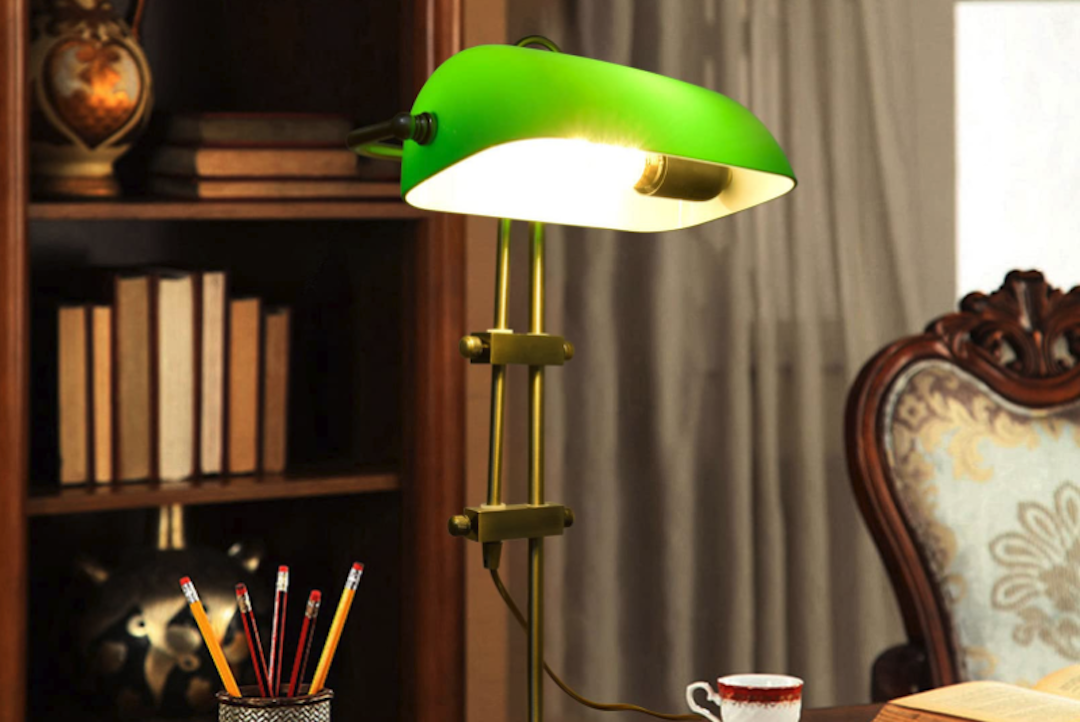
The iconic banker’s lamp, with its green glass shade and brass base, is perhaps one of the most recognizable vintage desk lamp styles.
- Directed Light: The opaque green glass shade is designed to direct light downwards onto the desktop, reducing glare and eye strain. The green color was believed by some to be soothing to the eyes.
- Solid Construction: These lamps typically feature heavy brass or bronze bases, providing excellent stability. While their adjustability is limited (usually only the shade pivots), their direct illumination is highly effective for reading and writing.
Considerations Before You Buy
Acquiring a vintage lamp isn’t quite the same as buying a new one off the shelf. There are a few practical points to keep in mind to ensure you get a safe and functional piece.
Electrical Safety and Rewiring
Older wiring can degrade over time, posing a safety risk. It’s often advisable to have a vintage lamp inspected or rewired.
- Professional Inspection: If you’re not comfortable with electrical work, consider taking the lamp to a qualified electrician. They can check the wiring, switch, and socket for any faults.
- DIY Rewiring Kits: For those with a bit of DIY experience, rewiring kits are readily available. This can be a rewarding project that ensures your lamp is up to modern safety standards. Look for new, UL-listed components.
- Plug Type: Older lamps might have ungrounded two-prong plugs. While often sufficient for simple lamps, upgrading to a three-prong grounded plug (if the lamp’s construction allows for it) or a modern two-prong polarized plug offers an added layer of safety.
Bulb Compatibility
Vintage lamps were designed for incandescent bulbs, but you have more options today.
- LED Bulbs: Modern LED bulbs are an excellent choice for vintage lamps. They consume significantly less energy, produce less heat, and come in various color temperatures (warm, cool, daylight) and brightness levels. Choose an LED bulb that mimics the shape and warmth of traditional incandescent for a consistent look.
- Wattage Limits: Always check the maximum wattage rating on the lamp’s socket (often indicated on a sticker or stamped into the metal). Although LEDs draw much less power, sticking to the recommended wattage ensures you don’t overload the original wiring if it hasn’t been replaced.
Condition and Patina
The charm of vintage items often lies in their imperfections, but it’s important to differentiate between appealing patina and significant damage.
- Surface Wear: Dents, scratches, and worn paint can add character, telling a story of the lamp’s past. Decide how much wear you’re comfortable with.
- Structural Integrity: Ensure all moving parts operate smoothly and securely. Check for cracks in the metal, loose joints, or significant rust that could compromise the lamp’s structure.
- Originality: Some collectors prefer lamps in their original, unrestored condition. Others might look for lamps that have been tastefully restored or repurposed. There’s no right or wrong here, just personal preference.
Where to Find Your Vintage Gem
The hunt for a perfect vintage lamp can be part of the fun. You have several avenues to explore, both online and in person.
Antique Stores and Flea Markets
These provide an opportunity to see the lamp in person, inspect its condition, and negotiate prices.
- Tactile Experience: You can feel the weight, test the adjustments, and check for any wobbles. This is invaluable when buying older items.
- Hidden Gems: Often, vendors might not fully know the value or specific history of a lamp, meaning you could find a great deal.
- Local Exploration: It’s also a chance to support local businesses and discover unique shops in your area.
Online Marketplaces
E-commerce platforms offer a vast selection, often bringing together sellers from across the globe.
- Etsy: A prime destination for vintage and handmade goods, with many sellers specializing in carefully curated lighting. Filters allow you to narrow down your search by style, material, and origin.
- eBay: A massive auction and buy-it-now platform where you can find everything from cheap parts to high-end collectibles. Pay close attention to seller ratings and detailed descriptions.
- Specialized Vintage Dealers: Many online stores focus exclusively on vintage lighting. These tend to be more expensive but often offer professionally restored or rewired lamps, along with in-depth historical information.
Estate Sales and Auctions
These can yield incredible finds, often at competitive prices, but require patience and being in the right place at the right time.
- Whole House Clearance: Estate sales sometimes mean entire collections of household items are sold off, providing a good chance to find matching pieces or a variety of vintage goods.
- Competitive Bidding: Auctions can be exciting, but it’s easy to get caught up in the moment. Set a budget beforehand and stick to it. Always factor in buyer’s premiums and shipping costs if bidding online.
Caring for Your Vintage Lamp
Once you’ve acquired your classic American vintage desk lamp, a little ongoing care will help preserve its beauty and functionality for years to come.
Regular Cleaning
Dust and grime can dull the finish and impact light output.
- Gentle Dusting: Use a soft, dry cloth to regularly dust the lamp. For more intricate parts, a soft brush or compressed air can be helpful.
- Mild Cleaners: For metal parts, use a damp cloth with a very mild, non-abrasive cleaner. Always test in an inconspicuous area first. Avoid harsh chemicals that could damage original finishes or patina.
- Glass Shades: If you have a glass shade, carefully remove it and wash it with warm soapy water, then rinse and dry thoroughly before reattaching.
Preserve the Patina
Many vintage collectors appreciate the natural aging and wear on a lamp, known as its patina.
- Avoid Over-Polishing: If your lamp has a desired patina (like on brass or bronze), avoid aggressive polishing. Some might prefer to preserve the original aged look rather than restoring it to a factory shine.
- Protective Waxes: For certain metals, a light coat of museum wax or a similar protective finish can help prevent further corrosion while preserving the current look.
Check for Wear and Tear
Periodically inspect your lamp for any signs of new wear or potential issues.
- Wiring Check: Even if you’ve rewired, occasionally eyeball the cord for fraying or cracking, especially near the base or where it enters the lamp body.
- Tighten Joints: Over time, screws and joints in articulated lamps might loosen. A quick tighten with the appropriate screwdriver can prevent undue stress and wobbly movement.
A classic American vintage desk lamp is a practical and aesthetically pleasing addition to any study. It offers robust construction, timeless design, and a unique character that can enhance your workspace. By understanding the different styles, features, and care requirements, you can find a piece that not only illuminates your books but also enriches your environment. It’s a functional item that’s also a statement, a nod to craftsmanship from a bygone era that still holds its own today.