
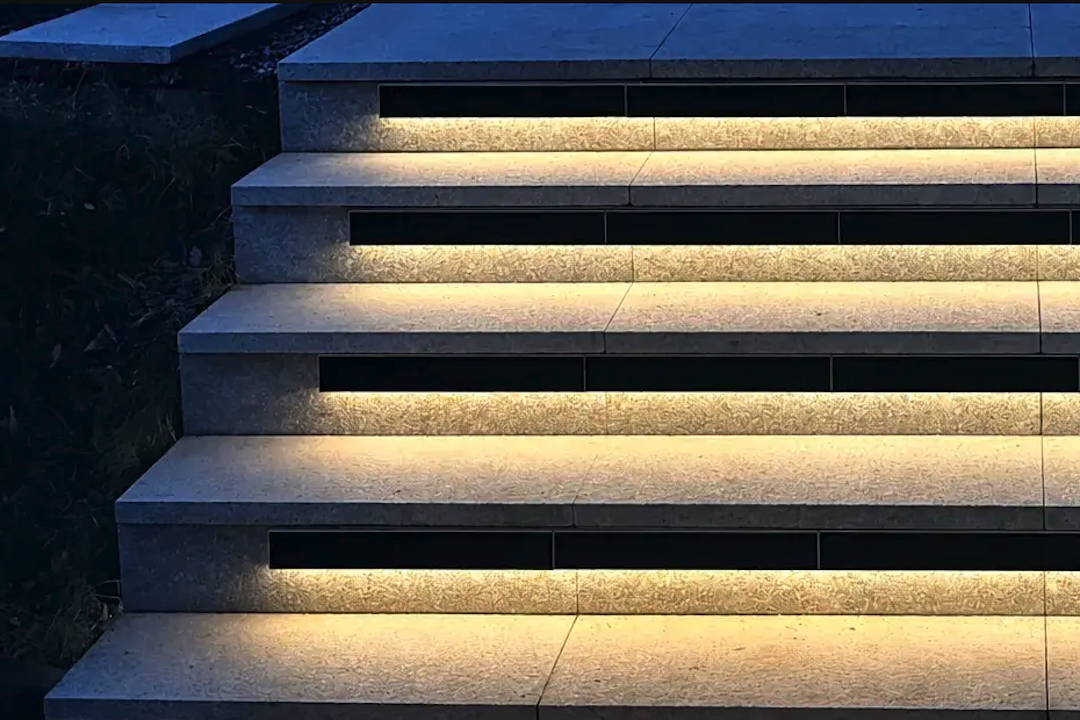
Let’s talk about stair sensor lights – specifically, which brands really stand out. When you’re looking to light up your stairs automatically, whether for late-night trips to the kitchen or just making sure everyone stays safe, you want reliable, effective solutions. The best brands offer a sweet spot of consistent performance, smart features, and easy installation, ensuring your steps are always illuminated when they need to be, without you having to lift a finger or fumble for a switch. They’re a practical upgrade that makes a significant difference in both safety and daily convenience.
Understanding Stair Sensor Lights
Before diving into brands, it’s helpful to understand what we’re actually looking for in a good stair sensor light. These aren’t just any old lights Simiglighting; they’re designed with a specific purpose: to detect movement and illuminate stairways, often in low-light conditions. The ‘sensor’ part is key here, as it’s what differentiates them from a simple wall-mounted fixture.
How Motion Sensors Work
Most stair sensor lights use Passive Infrared (PIR) sensors. These sensors detect changes in infrared radiation, which is emitted by warm bodies like humans and animals. When a warm body moves into the sensor’s field of view, it triggers the light. The sensitivity and range of these sensors vary by brand and model, affecting how quickly and how far away the light will activate. Some advanced systems might use microwave sensors, which can detect movement through walls, or even ultrasonic sensors, but PIR is by far the most common for residential stair lighting due to its efficiency and cost-effectiveness.
Powering Your Stair Lights
You’ll typically find two main power sources for stair sensor lights: battery-powered and hardwired. Battery-powered options offer incredible flexibility for installation since they don’t require any electrical wiring. They’re often affixed with adhesive or small screws and can be placed almost anywhere. The downside, of course, is needing to replace or recharge batteries periodically. Hardwired lights, on the other hand, connect directly to your home’s electrical system. This means consistent, uninterrupted power and often brighter illumination, but installation is more involved and usually requires some DIY electrical knowledge or a professional electrician. There are also solar-powered options for outdoor steps, but for indoor staircases, battery or hardwired are the primary choices.
Key Features to Look For
Beyond just turning on and off, modern stair sensor lights offer a range of features that enhance their utility.
Adjustable Brightness and Color Temperature
Some lights allow you to adjust how bright they get, which is great for finding a balance between sufficient illumination and not being blinding in the middle of the night. Similarly, adjustable color temperature (warm white to cool white) can help match your home’s aesthetic or provide a more comfortable light for nighttime use.
Auto Shut-Off Timers
A crucial feature for energy efficiency, auto shut-off timers dictate how long the light stays on after motion is no longer detected. A good range (e.g., 15 seconds to several minutes) allows you to customize it for your specific needs, ensuring the light doesn’t stay on unnecessarily.
Dusk-to-Dawn Sensors
Also known as photocells, these sensors prevent the light from activating during daylight hours, saving battery life or electricity. This means the light only comes on when it’s actually needed – when the ambient light is low.
Waterproofing/Durability
If you’re considering lights for outdoor stairs or areas prone to moisture, look for an IP (Ingress Protection) rating. This indicates how well the light is protected against dust and water. An IP44 rating, for example, is usually sufficient for most outdoor covered areas.
Leading Brands for Stair Sensor Lights
When it comes to reliable and effective stair sensor lighting, some brands consistently rise to the top. They’ve earned their reputation through product quality, innovative features, and positive user experiences.
Philips Hue
While primarily known for their smart home lighting ecosystems, Philips Hue offers solutions that can be wonderfully integrated into stair lighting. Their strength lies in connectivity and smart features.
Smart Home Integration
Philips Hue lights connect to a Bridge (a hub) and can be controlled via an app, voice assistants (Alexa, Google Assistant, Apple HomeKit), and various accessories. For stairs, this means you can set up motion sensors to trigger specific lighting scenes or individual lights. Their Outdoor Motion Sensor, while designed for outdoors, can be adapted for indoor stair approaches, especially if you have a larger space or multiple entry points.
Customization and Control
With Hue, the level of customization is unparalleled. You can choose from millions of colors and shades of white, adjust brightness precisely, and set schedules. This allows for creating a welcoming ambient light during the evening and a brighter, more functional light when motion is detected. The ability to group lights means you can have an entire stairway light up seamlessly.
Power and Installation Considerations
Philips Hue lights are primarily hardwired or plug-in options for their main fixtures, though they have battery-powered sensors. This usually means a more permanent setup, potentially requiring electrical work. Their LED strips are excellent for under-tread or handrail lighting, offering a sleek, integrated look, but they do require a power outlet.
Ring Smart Lighting
Ring, best known for its security cameras and doorbells, has expanded into a range of smart lighting solutions that are excellent for practical security and convenience, including stairs. Their focus is on integrated security and ease of use.
Ecosystem Benefits
If you already have Ring devices (doorbell, cameras), their Smart Lighting seamlessly integrates. A Ring Bridge (which often comes with their starter kits) connects the lights to your Wi-Fi, allowing control via the Ring app. This integration means that a motion sensor on your stairs could, theoretically, trigger a Ring camera recording or even other Ring lights.
Battery-Powered Simplicity
Many of Ring’s lighting solutions, particularly their pathlights and spotlight lines, are battery-powered, making them incredibly easy to install without any wiring. While they don’t have a dedicated “stair light,” their Step Light or Pathlight options can be strategically placed along stair treads or risers. The batteries are usually D-cell or similar, offering decent longevity.
Motion Detection and Grouping
Ring lights feature reliable motion detection. You can group multiple lights together, so when one sensor detects motion, all linked lights illuminate. This is perfect for staircases, ensuring the entire path is lit. Adjustable sensitivity and duration settings are also standard.
Wyze
Wyze has built a reputation for offering smart home devices at incredibly competitive price points without compromising too much on features. Their lighting solutions, while not explicitly branded as “stair lights,” can be adapted very effectively.
Affordable Smart Lighting
Wyze offers smart light strips and bulbs that are very cost-effective. Their Light Strip Pro, for example, offers vibrant colors and can be cut to size, making it suitable for under-tread or handrail lighting. Paired with a Wyze Motion Sensor, you can create an automated stair lighting system that’s budget-friendly.
Easy App Control
Like other smart home brands, Wyze devices are controlled via a straightforward app. You can set up automation rules, schedules, and adjust brightness/color temperature. The motion sensor can be set to trigger the light strips or smart bulbs when movement is detected.
Integration Potential
While not as broad as Philips Hue, Wyze devices integrate with Google Assistant and Alexa, allowing for voice control once the motion sensor has triggered the lights on, or for manual override. The main advantage is the low entry cost for smart automation.
Govee
Govee specializes in ambient lighting, particularly LED strips and smart lamps, often with a focus on vibrant colors and dynamic effects. While not a traditional “safety” brand, their products can be used creatively for both aesthetics and practical stair lighting.
Innovative LED Strips
Govee’s main offering relevant to stair lighting is their vast array of LED strip lights. Many feature advanced RGBIC technology, allowing for multiple colors to be displayed on a single strip simultaneously, creating unique lighting effects. For stairs, this means you could have subtle, dynamic lighting that also serves a functional purpose when motion is detected.
Smart Features and App Control
Govee lights are primarily controlled via their intuitive app, offering extensive customization for color, brightness, and scenes. They are often Bluetooth and Wi-Fi enabled and can integrate with Alexa and Google Assistant. While Govee itself doesn’t offer dedicated motion sensors as robust as other security-focused brands, their light strips can be triggered by external smart motion sensors if you integrate them within a broader smart home ecosystem.
DIY Friendly Installation
Govee LED strips are typically adhesive-backed, making them relatively easy to install under stair treads, along handrails, or along the wall. They require a power outlet for their adapter, which is something to consider for a clean installation.
Sylvania (Ledvance)
Sylvania, under the Ledvance brand, offers a range of traditional and smart lighting solutions. Their strength lies in reliable, energy-efficient LED products that span both simple functionality and smart home integration.
Robust and Reliable
Sylvania lights are known for their quality and longevity. While they might not always have the flashiest features, they deliver consistent performance. They offer a range of traditional motion-sensing fixtures that can be installed near staircases.
Smart Options (SYLVANIA SMART+)
Sylvania also has a line of smart lighting products under their SYLVANIA SMART+ brand. These include smart bulbs and light strips that can integrate with Zigbee-compatible hubs (like SmartThings or Amazon Echo Plus) or via Bluetooth. This allows for motion sensor integration and app control.
Focused on Illumination
Many of Sylvania’s products prioritize effective illumination. Their flush mount ceiling lights with integrated motion sensors, for example, can be strategically placed at the top or bottom of a staircase to light a wider area. They tend to offer good lumens per watt, ensuring bright light when needed.
Installation and Setup Tips
Getting your stair sensor lights working perfectly isn’t just about picking the right brand; it’s also about thoughtful installation. A good setup ensures optimal performance and safety.
Placement for Optimal Detection
Where you place your sensor lights significantly impacts their effectiveness.
Top and Bottom of Stairs
At a minimum, you’ll want lights at the top and bottom of the staircase. This ensures that as soon as someone approaches from either direction, the lights activate. If you have a longer staircase, consider additional lights in the middle.
Sensor Field of View
Pay attention to the sensor’s field of view. Most PIR sensors have a conical or fan-shaped detection pattern. Position the sensor so that it detects motion along the approach to the stairs, not just directly on the steps. Avoid pointing it directly at heat sources (like vents) or high-traffic areas outside the staircase, which could lead to false triggers.
Avoiding Obstructions
Make sure there are no physical obstructions (furniture, plants) blocking the sensor’s view. Even a handrail could partially obscure a sensor if it’s placed too low.
Powering Your Lights Effectively
The power source dictates much of your installation approach.
Battery-Powered Simplicity
For battery-powered lights, installation is usually as simple as peeling an adhesive backing or screwing in a couple of small screws. Ensure the mounting surface is clean and dry. Consider the battery type and ease of replacement – some models use standard AA/AAA, while others might use less common sizes or integrated rechargeable packs.
Hardwired Considerations
Hardwired lights require a more permanent electrical connection. If you’re not comfortable with electrical work, it’s best to hire a qualified electrician. Plan the wiring path to be discreet and compliant with local electrical codes. For LED strips, ensure the power adapter is accessible and can be hidden if necessary.
Smart Home Integration Best Practices
If you’re going the smart home route, a little planning goes a long way.
Choose a Compatible Ecosystem
Stick to one or two main smart home ecosystems (e.g., Apple HomeKit, Google Home, Amazon Alexa, SmartThings) to avoid compatibility headaches. Ensure your chosen stair lights and sensors are compatible with your hub or smart assistant.
Network Reliability
For Wi-Fi-enabled devices, ensure your home Wi-Fi signal is strong around the staircase. A weak signal can lead to delays or missed activations. A mesh Wi-Fi system can help extend coverage.
Automation Rules
Take the time to set up automation rules in your smart home app. For example, “When motion is detected by Stair Sensor 1 between 10 PM and 6 AM, turn on Stair Lights 1, 2, and 3 for 60 seconds at 50% brightness.” Test these rules thoroughly to ensure they function as expected.
Maintenance and Troubleshooting
Even the best stair sensor lights occasionally need a little attention to keep them operating smoothly. A few simple steps can ensure longevity and consistent performance.
Keeping Sensors Clean
Dust and debris can accumulate on sensor lenses over time, potentially reducing their sensitivity or causing them to miss detections.
Gentle Wiping
Periodically (e.g., once a month or as needed), gently wipe the sensor lens with a soft, dry cloth. Avoid abrasive cleaners or harsh chemicals, as these can damage the lens or housing.
Avoiding Paint and Obstructions
If you’re repainting walls, ensure that no paint gets on the sensor lens or housing. Similarly, be mindful of new decorations or furniture that might inadvertently block the sensor’s field of view.
Battery Management
For battery-powered lights, proactive battery management is crucial.
Regular Checks
Don’t wait until the light stops working to check the batteries. Many smart lights will report low battery status in their app. For simpler lights, develop a schedule to check and replace batteries every few months, especially before winter when cold temperatures can reduce battery life.
Quality Batteries
Invest in good quality, long-lasting batteries. While cheaper options might save a few dollars upfront, they often lead to more frequent replacements and potential performance issues. Rechargeable batteries are an environmentally friendly and cost-effective option in the long run.
Troubleshooting Common Issues
Sometimes, a light might not be working as expected. Here are some common problems and solutions.
Light Not Activating
- Check power: For battery lights, replace batteries. For hardwired lights, check circuit breaker.
- Sensor blockage: Ensure nothing is blocking the sensor’s view.
- Ambient light: Verify the light isn’t in a brightly lit area that prevents the dusk-to-dawn sensor from activating.
- Sensitivity settings: If adjustable, try increasing the sensor’s sensitivity.
- Range: You might be outside the sensor’s detection range. Try approaching from a different angle or moving closer.
Light Stays On Too Long / Doesn’t Turn Off
- Continuous motion: Ensure there isn’t constant motion in the sensor’s field of view (e.g., a pet repeatedly walking past, branches swaying outside a window if the sensor is facing it).
- Timer settings: Check the auto shut-off timer settings in the app or on the device itself.
- Interference: Rarely, electromagnetic interference can cause issues. Try repositioning the light or checking for nearby devices.
Flickering or Dim Light
- Low battery: This is a common sign of dying batteries.
- Loose connection: For hardwired lights, check electrical connections (only if you are competent to do so, otherwise call an electrician).
- Bulb/LED failure: If using replaceable bulbs, try a new one. For integrated LEDs, it might indicate a unit failure, potentially requiring replacement.
Final Considerations for Your Stair Lighting
Choosing the best stair sensor light isn’t a one-size-fits-all decision. Your ideal solution will depend on your specific needs, your home’s layout, and your budget.
Assessing Your Specific Needs
Take a moment to think about what you truly need from your stair lights.
Safety vs. Aesthetics
Are you prioritizing pure safety, ensuring every step is brightly lit? Or are you looking for a more subtle, ambient lighting solution that enhances the aesthetic while still providing guidance? Some brands excel at functional lighting, while others lean more into decorative and smart features.
Indoor vs. Outdoor
The environment makes a big difference. Outdoor stairs require lights with appropriate IP ratings for weather resistance. Indoor stairs offer more flexibility but still benefit from durability.
Your Tech Savvy Level
Are you comfortable with smart home apps and setting up automation rules, or do you prefer a simple, “install and forget” solution? Brands like Philips Hue and Ring lean towards the former, while many standalone battery-powered options cater to the latter.
Budgeting for Quality
While it’s tempting to go for the cheapest option, remember that quality often correlates with reliability and longevity.
Upfront Cost vs. Long-Term Value
A higher upfront cost for a reputable brand might mean better performance, fewer headaches, and a longer lifespan, making it more cost-effective in the long run. Consider the cost of replacement batteries for battery-powered units.
Smart Home Investment
If you’re integrating with a smart home system, factor in the cost of any necessary hubs or bridges. While these are initial investments, they unlock a world of possibilities for automation not just for your stairs but for your entire home.
The Value of a Well-Lit Staircase
Ultimately, investing in good stair sensor lights is an investment in your home’s safety and convenience. No one wants to stumble in the dark, especially on stairs. The right lighting solution provides peace of mind, makes late-night trips easier, and can even add a touch of modern elegance to your home. By considering the leading brands, understanding key features, and following smart installation practices, you can create a perfectly illuminated path that serves your household well for years to come.