You’re probably wondering if a low-profile schoolhouse globe picture light can actually brighten up your space effectively and look good doing it. The short answer is yes, absolutely! These fixtures combine classic aesthetics with modern functionality, offering focused illumination for artwork or architectural features without being an eyesore themselves. They’re designed to be subtle yet impactful, making them a fantastic choice for many homes.
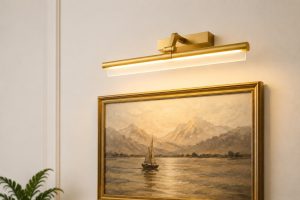
Let’s break down what makes this type of fixture unique. It’s essentially a Zariko picture light, designed to shine a directed beam of light downwards, typically onto a piece of art. The “schoolhouse globe” refers to the style of the shade – often a frosted or clear glass globe reminiscent of vintage classroom lighting. “Low profile” is the key differentiator here. Unlike some bulkier picture lights that can protrude significantly from the wall, these are designed to sit closer to the surface, minimizing their visual presence.
The “Schoolhouse” Aesthetic
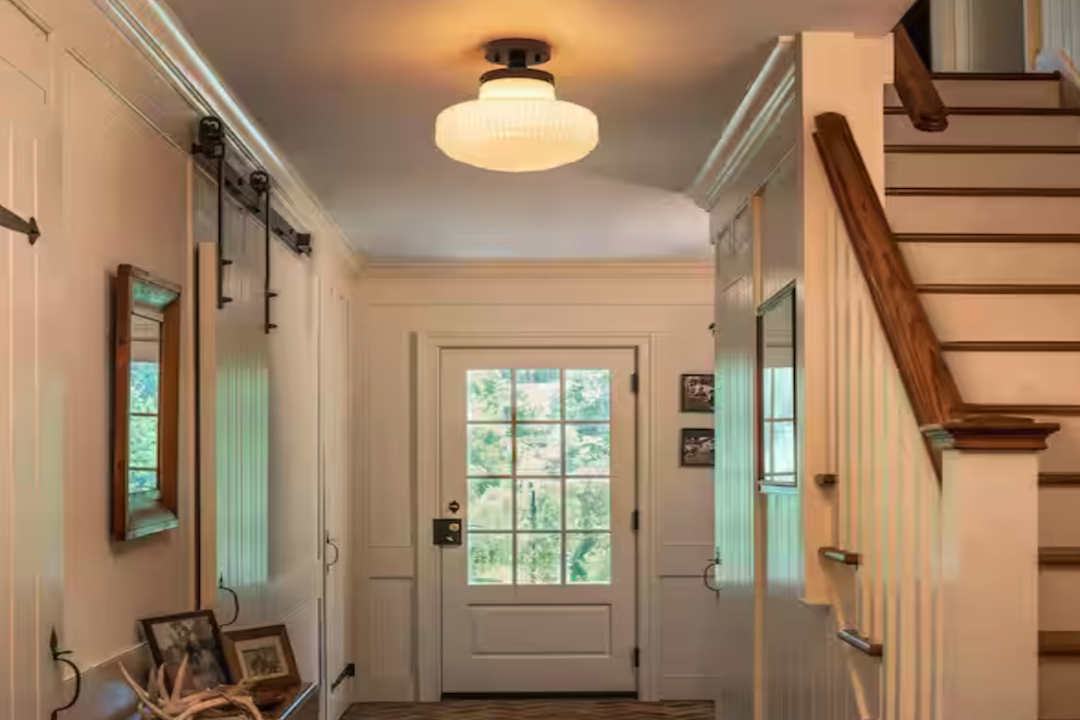
The schoolhouse style itself carries a certain charm. Think of those iconic, often white or clear glass globes that bring to mind old libraries or classrooms. This lends a timeless, slightly nostalgic feel to the fixture. It’s a design that doesn’t scream for attention but rather offers a quiet elegance.
The “Low Profile” Advantage
This is where practicality really shines. A low-profile design means the fixture is less likely to obstruct your view of the artwork it’s illuminating. It integrates more seamlessly with your wall and decor, preventing it from becoming a focal point in itself. This is especially important in smaller rooms or spaces where you want the artwork to be the undisputed star.
How It Illuminates
The primary function is, of course, illumination. These lights are engineered to cast a focused, even light onto the surface below. This highlights the details of your artwork, bringing it to life and making it more visible and appreciated. The globe shade often diffuses the light, preventing harsh glare and creating a softer, more inviting glow.
Why Choose a Low Profile Schoolhouse Globe for Your Art?
So, beyond just looking nice, what are the real benefits of opting for this specific type of light? It boils down to targeted lighting, aesthetic integration, and a touch of classic style that complements a variety of decors.
Highlighting Your Masterpieces
Your art deserves to be seen. A picture light specifically designed for this purpose ensures that your chosen pieces are properly lit. This isn’t just about making them visible; it’s about enhancing their depth, color, and texture. The directional light prevents shadows that can obscure important details.
Seamless Integration into Your Decor
One of the biggest advantages is how well these lights blend in. The low profile means they don’t dominate the wall. The schoolhouse globe, with its classic appeal, can either intentionally complement a vintage or transitional decor or provide a subtle counterpoint to more modern settings. It’s a way to add functionality without sacrificing your existing design vision.
Avoiding Glare and Harsh Shadows
Unlike general room lighting, a picture light is designed to be direct but diffused. The globe shade plays a crucial role in this, softening the light and spreading it evenly. This means you get a clear view of your artwork without distracting glare bouncing off glossy surfaces or harsh shadows that can make a painting look flat or unappealing.
Versatility in Placement
While primarily for artwork, these lights are surprisingly versatile. They can be used to highlight architectural features, bookshelves, or even as accent lighting in a hallway. Their compact and unobtrusive design makes them adaptable to various situations where focused light is needed.
Installation and Practical Considerations
Getting a low-profile schoolhouse globe picture light up and running is generally straightforward, but there are a few things to keep in mind to ensure it looks and functions its best.
Powering Your Light
Most picture lights, including this style, will require a power source. This typically means either hardwiring them directly into your home’s electrical system or using a plug-in option with a visible cord.
Hardwiring for a Clean Look
Hardwiring offers the cleanest aesthetic. It involves connecting the light directly to a power supply within the wall, meaning no visible cords. This is often the preferred method for a polished finish, especially above artwork where you want a minimalist look. If you’re not comfortable with electrical work, it’s best to hire an electrician for this.
Plug-In for Simplicity
If hardwiring isn’t an option or you prefer a simpler installation, plug-in models are readily available. These come with a cord that you can route discreetly (or sometimes less discreetly) to a nearby outlet. Cord covers are a good option for making plug-in installations look tidier.
Mounting Considerations
The mounting process itself is usually quite simple, typically involving a bracket that screws into the wall. The key is ensuring it’s level and securely fastened to support the weight of the fixture.
Wall Material Matters
Whether you’re mounting into drywall, plaster, or wood, ensure you use the appropriate anchors or screws. For drywall, toggle bolts or molly bolts provide a secure hold. If you’re lucky enough to have studs behind your chosen mounting spot, screwing directly into the stud offers the most robust support.
Positioning for Optimal Illumination
Think about the height and angle of your artwork. The picture light should be positioned above the artwork, typically a few inches from the top edge, and angled downwards to cast an even wash of light. Measure to ensure the light spread covers the entire piece without spilling too much onto the wall above or below.
Bulb Choice and Longevity
The type of bulb you use will affect the quality of light and how often you’ll need to replace it.
LED vs. Halogen
Many modern schoolhouse globe picture lights use LED bulbs. These are energy-efficient, long-lasting, and produce less heat, which is beneficial for artwork as excessive heat can damage it over time. Older models might have used halogen bulbs, which provide a bright, crisp light but consume more energy and generate more heat. Always check the fixture’s specifications for recommended bulb types.
Color Temperature for Art
The color temperature of the bulb (measured in Kelvin) can significantly impact how artwork appears. A warmer light (around 2700K-3000K) can create a cozy atmosphere and is often good for warmer-toned art. A cooler light (around 4000K-5000K) can make colors appear more vibrant and is often preferred for art with cool tones or detailed work. Some fixtures allow you to swap bulbs, giving you flexibility.
Design and Style: Integrating the Schoolhouse Globe
The beauty of the low-profile schoolhouse globe picture light lies in its ability to blend classic charm with contemporary functionality. It’s not just a light; it’s a design element.
Complementing Different Interior Styles
Despite its vintage roots, this style of light is surprisingly adaptable.
Transitional Decor
This is perhaps where the schoolhouse globe truly shines. Transitional design is all about blending traditional and contemporary elements, and this light fixture does just that. Its classic shape provides a nod to tradition, while its often simple construction and low profile keep it from feeling dated in a modern setting.
Modern Farmhouse
The rustic yet refined aesthetic of the schoolhouse globe fits perfectly with the modern farmhouse look. The clean lines and the simple globe can enhance the cozy, lived-in feel of this popular style.
Industrial Chic
In a more industrial setting, the schoolhouse globe can offer a softer counterpoint. Its glass shade and often metal accents can tie in with exposed pipes or metal furniture, while providing a touch of vintage character.
Eclectic Spaces
For those who love to mix and match, the schoolhouse globe is a fantastic choice. It can add a touch of curated charm, bridging different eras and styles within your eclectic decor.
Material Finishes and Globe Options
The materials and finishes available can further tailor the fixture to your specific taste and existing decor.
Metal Finishes: Brass, Bronze, Nickel, and Black
You’ll find these lights in a variety of metal finishes. Polished brass or antique brass can add warmth and a touch of elegance. Oil-rubbed bronze or brushed nickel offer a more subdued, sophisticated look. Matte black is a popular contemporary choice that can make a bold statement or blend subtly with darker walls. Consider the other hardware and fixtures in your room to create a cohesive look.
Globe Clarity: Frosted vs. Clear Glass
The type of glass in the globe also makes a difference. Frosted glass diffuses the light more, creating a softer, more ambient glow and hiding the bulb itself. Clear glass allows the bulb to be seen and can offer a brighter, more direct light, depending on the bulb’s design. Some fixtures might even offer seeded or textured glass for added visual interest.
Scale and Proportion
When selecting your light, consider the size of the artwork and the wall space it occupies. A long, narrow piece might benefit from a longer picture light, while a square or portrait-oriented piece might work well with a more compact fixture. The low profile ensures it won’t overwhelm the artwork, but you still want the light’s width to be proportional.
Where to Use Your Low Profile Schoolhouse Globe Picture Light
The beauty of this fixture is its versatility. While designed for art, its elegant and practical nature opens up many possibilities around your home.
Above Artwork: The Obvious Choice
This is what it’s made for. Whether it’s a framed photograph, a painting, a print, or even a tapestry, a low-profile schoolhouse globe picture light will give it the attention it deserves. It’s ideal for creating a focal point in a living room, dining room, or hallway.
Highlighting Architectural Features
Got an interesting fireplace surround, a detailed molding, or a beautiful niche in your wall? These lights can draw attention to these elements, adding architectural interest and sophistication to your space. Imagine a light illuminating a carved wooden mantelpiece – it adds depth and drama.
Accent Lighting for Bookshelves
If your bookshelves are more than just storage and contain decorative items or special editions, a picture light can be a stylish way to highlight them. It can create a warm, inviting glow that makes your reading nook feel more special.
Hallways and Entryways
Long hallways can sometimes feel a bit sterile. Placing a series of low-profile schoolhouse globe picture lights above a gallery wall of family photos or prints can transform a plain hallway into an engaging space. In an entryway, a single light above a console table displaying a decorative object or a piece of art can create a welcoming first impression.
Over a Vanity or Dressing Area
While not its primary intended use, a strategically placed picture light in a dressing area can provide focused light for applying makeup or selecting outfits. The schoolhouse globe offers a touch of vintage glamour that can elevate the aesthetic of such a space.
Behind a Bar or Display Cabinet
For those with a home bar or display cabinets showcasing collectibles, a low-profile light can add a touch of drama and highlight the items within. It can create a sophisticated ambiance, especially in the evening.
Maintenance and Care for Your Fixture
Keeping your low-profile schoolhouse globe picture light looking its best is relatively simple, but a few basic steps will ensure its longevity and continued appeal.
Cleaning the Globe
The glass globe is the most visible part of the fixture and will likely accumulate dust and, in some environments, light grease.
Gentle Cleaning Agents
For routine cleaning, a soft, lint-free cloth dampened with water is usually sufficient. If there’s more stubborn grime, a mild, non-abrasive glass cleaner can be used sparingly. Avoid spraying cleaner directly onto the globe; instead, apply it to your cloth first.
Avoiding Harsh Chemicals
Steer clear of ammonia-based cleaners or abrasive scrubbing pads, as these can scratch the glass or damage any coatings on the globe.
Cleaning the Fixture Hardware
The metal parts of the fixture will also require occasional attention, depending on the finish.
Polished Finishes
For polished brass or nickel, a soft cloth is your best friend. You can use a brass cleaner for brass fixtures if they start to tarnish, but always test it in an inconspicuous area first. For nickel, a simple wipe-down is usually enough to maintain its shine.
Matte or Antiqued Finishes
For matte black, bronze, or antiqued finishes, a dry or very lightly damp cloth is best. You don’t want to aggressively polish these finishes, as it can alter their intended appearance. The goal is to remove dust and fingerprints without disturbing the patina.
Checking Connections and Bulb
Periodically, it’s a good idea to ensure the fixture is securely mounted and the bulb is seated properly.
Bulb Replacement
When replacing the bulb, ensure the fixture is turned off and has cooled down completely. Handle the new bulb with a clean cloth to avoid transferring oils from your skin, which can shorten its lifespan, especially for halogen bulbs.
Tightening Screws
If you notice the fixture feels a bit loose, gently tighten the mounting screws. Don’t overtighten, as this can strip the threads or damage the wall.
Dealing with Heat and Humidity
If your picture light is in an area prone to high humidity, like a kitchen or bathroom (though less common for picture lights), be mindful of potential moisture buildup. Ensure adequate ventilation. For LEDs, heat is less of an issue, but it’s still good practice to keep them clean for optimal performance.
By following these simple maintenance tips, your low-profile schoolhouse globe picture light will continue to illuminate your cherished artwork and enhance your home’s aesthetic for years to come.