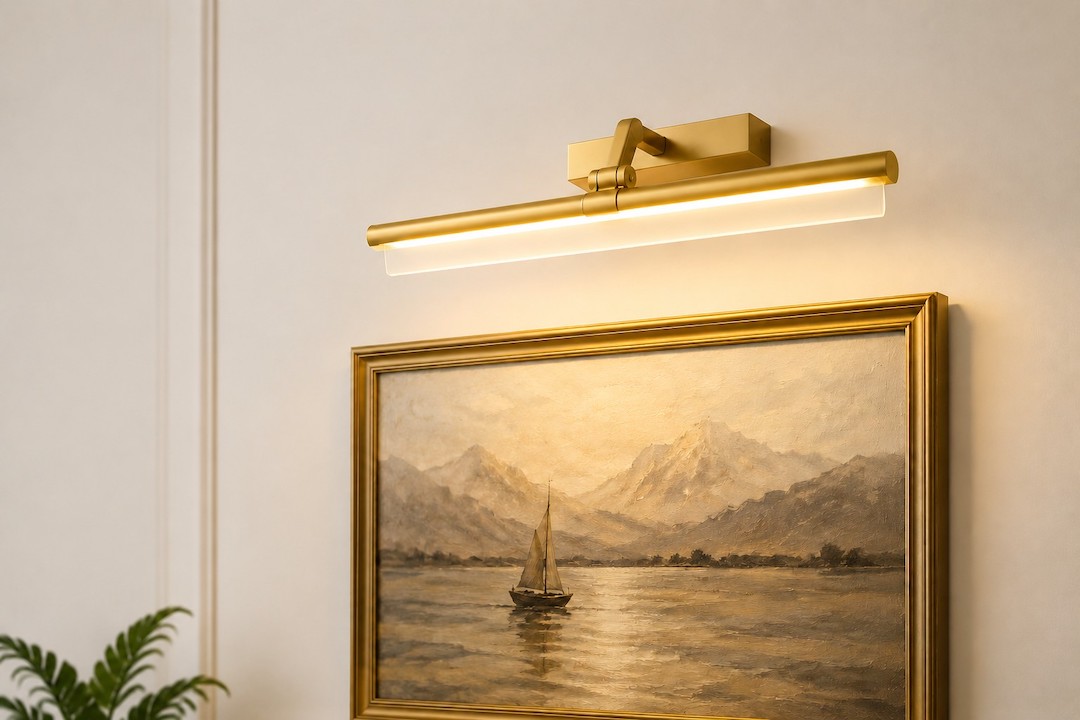
So, you’ve poured your heart and soul into creating a piece of art, and now you want it to shine. One way to really make your artwork pop is with good lighting. Specifically, a Frosted Acrylic Double Shade Picture Light can be a pretty smart move. It’s not just about making it visible, it’s about enhancing its textures, colors, and overall mood, all while keeping things looking classy and not overly bright or harsh. Think of it as a sophisticated way to give your art the spotlight it deserves.
Let’s break down what this fancy-sounding light Bridal2u actually is. At its core, it’s a specialized fixture designed to illuminate artwork hung on a wall. But the “frosted acrylic” and “double shade” parts are where the magic happens for your art.
Understanding the Components
- The Picture Light Fixture: This is the general category. It’s a lamp specifically made to cast light downwards onto a picture or painting. They typically mount directly above the artwork.
- Frosted Acrylic Shades: This is a key differentiator. Instead of clear glass or plain metal, these lights use shades made from acrylic that have been treated to be opaque or translucent, like frosted glass. This diffusion is crucial because it softens the light.
- Double Shade Design: This means there are two layers of shading, or two distinct shades working together. This often involves an inner shade that houses the bulb and an outer shade that further refines the light’s direction and diffusion. The goal here is maximum control over the light quality.
Why “Frosted Acrylic” Matters for Art
Imagine shining a bare, super-bright spotlight directly onto a painting. You’d get glare, harsh shadows, and potentially wash out the colors. Frosted acrylic acts like a gentle filter.
- Reduces Glare: For artworks with glossy surfaces (like oil paints or varnished pieces), glare is the enemy. Frosted acrylic diffuses the light, spreading it out so you don’t get those distracting bright spots that hide the details.
- Softens the Light: Harsh, direct light can make shadows too deep and unflattering. The frosted material creates a softer, more even illumination, bringing out subtle textures and tonal variations without creating blinding contrasts.
- Preserves Color Accuracy: While all lighting can affect color perception, a well-designed frosted shade aims to present colors as true to life as possible, without casting an unwanted color tint.
The “Double Shade” Advantage
The double shade setup takes the light diffusion a step further and offers more directional control.
- Layered Diffusion: The first shade might offer initial diffusion, and the second one then shapes that light, directing it precisely onto the artwork and preventing spill onto the walls or ceiling where it’s not needed.
- Enhanced Shadow Control: By carefully designing the angle and opacity of both shades, the light can be directed to subtly highlight contours and textures without creating the harsh, dark shadows that can obscure details.
Bringing Out the Best in Your Artwork: Practical Benefits
It’s easy to get lost in the technical specs, but what does this actually do for your art? It’s about making your artwork more engaging and appreciated.
Enhancing Texture and Dimension
This is where the magic really happens. The way light interacts with the surface of your artwork can drastically change how you perceive it.
- Subtle Relief: For paintings with impasto (thick application of paint) or sculptures, the right light can create gentle shadows that emphasize the three-dimensional qualities. A frosted acrylic double shade light does this without overdoing it, so you see the texture, not just the shadow.
- Revealing Brushstrokes: For paintings with visible brushwork, the diffused light can catch the texture of each stroke, adding a layer of visual interest and revealing the artist’s technique in a way that flat, harsh light would miss.
- Highlighting Materiality: If your artwork incorporates different materials – perhaps mixed media with fabric, metal, or rough surfaces – the light can bring out the unique characteristics of each, making the piece feel richer and more tactile.
Color Accuracy and Vibrancy
Getting the colors right is paramount to appreciating any artwork.
- True-to-Life Hues: A good picture light, especially one with a quality LED bulb behind a good diffuser, will render colors faithfully. This means the blues you intended look like blues, and the reds are as vibrant as you painted them.
- Avoiding Color Distortion: Some lights, especially older or cheaper ones, can cast a color tint onto the artwork. Frosted acrylic, when combined with appropriate bulb temperature (often warm white for art), minimizes this, ensuring the colors you see are what the artist intended.
- Boosting Saturation: By providing even, well-distributed light, the colors in your artwork can appear more saturated and lively. You’re less likely to see dull spots or areas where the color seems to fade.
Creating Ambiance and Focus
Lighting isn’t just functional; it sets the mood.
- Drawing the Eye: A well-lit piece of art naturally becomes a focal point in a room. The gentle illumination guides the viewer’s attention directly to it, making it the star of the display.
- Warm and Inviting Atmosphere: The diffused, often warmer light from these fixtures can contribute to a cozy and inviting atmosphere in your home or gallery space. It’s less about a sterile spotlight and more about drawing people in to appreciate the art.
- Subtle Drama: Even with a soft diffusion, the contrast between the illuminated artwork and the surrounding darker walls can create a pleasing sense of depth and subtle drama, making the piece feel more impactful.
Installation and Placement: Getting it Right
Even the best fixture won’t work its magic if it’s not installed and positioned correctly. This is where the practical aspect comes in.
Mounting Considerations
How and where you attach the light are critical.
- Direct Mounting: Most picture lights are designed to be mounted directly above the artwork. This usually involves screwing a bracket into the wall or the frame itself (though be cautious with valuable frames).
- Distance from Artwork: The distance from the light to the top of the artwork is crucial for even illumination. Too close, and you might get a hot spot at the top. Too far, and the light might not reach the bottom effectively. Manufacturers often provide guidelines.
- Cord Management: Think about how the power cord will be managed. Will it be plugged into a nearby outlet? Will you need to conceal it within the wall for a cleaner look? Some models are hardwired, which requires professional installation but offers a very clean finish.
Optimal Angling for Diffusion
This is where the “double shade” really comes into play.
- Downward Sweep: The primary goal is to direct the light downwards and slightly outwards to cover the entire surface of the artwork evenly.
- Minimizing Spill: You want the light on the art, not on the wall above or below it, or on the ceiling. The double shade design helps to contain the light and direct it precisely where it’s needed, preventing light pollution and keeping the focus on your piece.
- Adjustable Arms/Heads: Many good quality picture lights offer some degree of adjustability in the arm or the light head. This allows you to fine-tune the angle to achieve the perfect coverage for your specific artwork and wall setup.
Bulb Choice: The Unsung Hero
The light source inside the fixture is just as important as the shades.
- LED Technology: Modern picture lights overwhelmingly use LED bulbs. They are energy-efficient, long-lasting, and come in a wide range of color temperatures.
- Color Temperature (Kelvin): This refers to the warmth or coolness of the light. For artwork, a “warm white” (around 2700K-3000K) is often preferred. It mimics natural daylight and is generally pleasing to the eye, making colors appear rich and inviting. “Cool white” (4000K+) can sometimes make colors look stark or artificial.
- Color Rendering Index (CRI): This is crucial for art. CRI measures how accurately a light source reveals the true colors of objects. Aim for a CRI of 90 or higher. This ensures that the colors in your artwork are displayed as faithfully as possible, without distortion.
When a Frosted Acrylic Double Shade Picture Light is Your Best Bet
Not every artwork or situation calls for this specific type of lighting, but there are definite scenarios where it shines (pun intended).
For Paintings with Glossy Surfaces
If your artwork has a shiny finish, this type of light is almost a necessity.
- Oil Paintings: Many oil paints, especially after varnishing, can have a significant sheen. A clear light would create unbearable glare. The frosted acrylic diffuses the light, allowing you to see the details without the annoying reflections.
- Varnished Works: Whether it’s acrylics, watercolors, or other mediums, if you’ve applied a varnish for protection or to enhance saturation, you’ll likely encounter glare. This light is designed to combat that.
- Mixed Media with Shiny Elements: If your artwork incorporates materials like metallic paints, resins, or even certain types of paper that have a sheen, this light will help integrate those elements harmoniously.
To Emphasize Subtle Details and Textures
When the nuances of your artwork are important, this lighting excels.
- Detailed Portraits: The subtle modeling of facial features, the texture of fabric in clothing – these details are brought out by a soft, controlled light that avoids harsh shadows.
- Abstract Art with Impasto: For abstract pieces where texture is a key element, the gentle shadows created by diffused light can highlight the artist’s application of paint, giving the artwork a more tactile feel.
- Works on Textured Paper: If your art is on handmade paper with a noticeable tooth, or on a canvas with a visible weave, the light can catch these textures, adding visual depth.
Creating a Refined Gallery Feel at Home
If you want your artwork to be displayed with the sophistication you’d find in a gallery.
- Showcasing Fine Art: For those important pieces that you want to present in the best possible light, a picture light like this offers a professional, polished look.
- Achieving Even Illumination: Unlike ambient room lighting, a dedicated picture light ensures that the artwork is evenly lit from top to bottom, without distracting shadows from overhead lights or lamps.
- Controlled Ambiance: It allows you to create a specific mood for your art display, drawing attention without overwhelming the room with light.
Alternatives and Considerations
While a frosted acrylic double shade picture light is great, it’s worth knowing what else is out there and what other factors to consider.
Other Types of Picture Lights
- LED Bar Picture Lights: These are often sleek, modern fixtures that run the width of the artwork. They can be very effective and often incorporate diffusion. Some might have frosted covers, while others use internal diffusion.
- Adjustable Spotlight Picture Lights: These offer more direct lighting and can be good for highlighting specific points in an artwork. However, they are more prone to glare on glossy surfaces.
- Wireless Battery-Operated Picture Lights: For situations where running power is difficult, these are a convenient option. However, they might have less powerful bulbs and may require more frequent battery changes.
When Not to Use This Type of Light
- Art with No Gloss and Little Texture: If your artwork is entirely matte, has no significant texture, and is primarily about flat color fields, you might not need such a sophisticated diffuser. A simpler, more direct light might suffice.
- Very Large Murals or Wall Coverings: For extremely large installations, a single picture light might not provide even coverage. You might need multiple fixtures or a different lighting strategy.
- When Ambient Light is Sufficient: In a room with excellent, well-distributed ambient lighting, you might find that your artwork is already sufficiently illuminated.
Budget and Quality
- Price Range: Frosted acrylic double shade picture lights can vary significantly in price. Higher-end models will often have better build quality, more refined diffusion, and superior LED technology (higher CRI, better dimming capabilities).
- DIY vs. Professional Installation: Decide if you’re comfortable with DIY installation or if you’ll need an electrician, especially for hardwired models.
- Energy Efficiency: With LED technology, most picture lights are very energy-efficient. Consider the wattage and expected lifespan of the bulb if it’s not integrated.
By understanding the specific benefits of a frosted acrylic double shade picture light, you can make a well-informed decision about how to best illuminate and showcase the art you love. It’s a tool to enhance, not just illuminate, making your creative endeavors truly stand out.