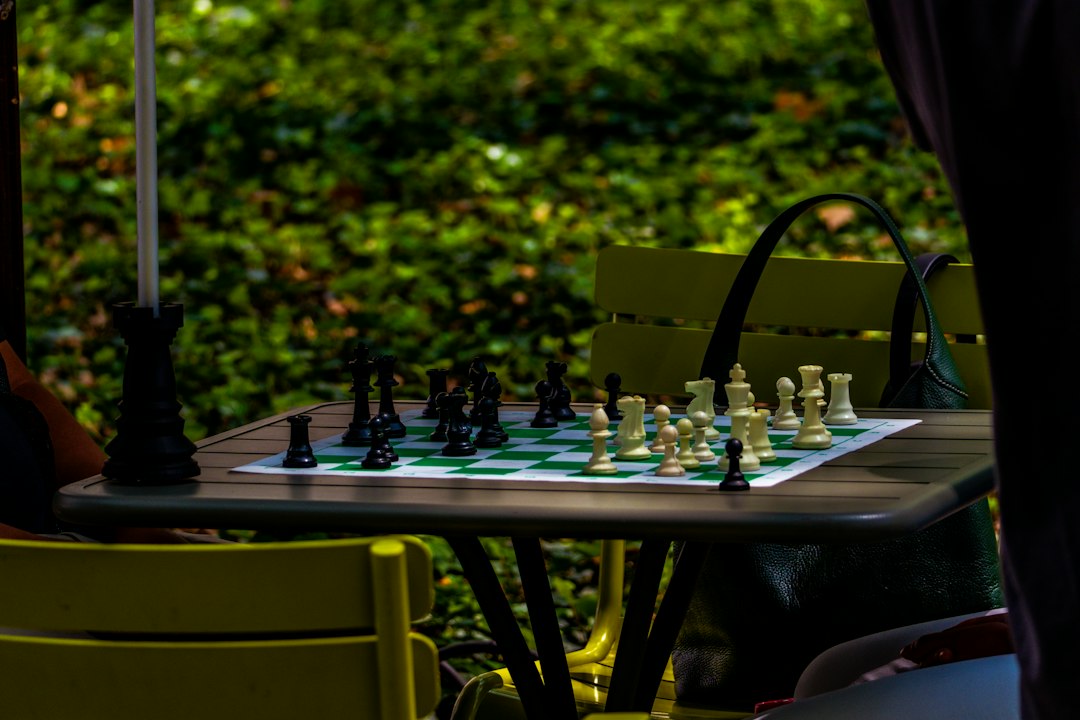
When it comes to illuminating your chess board, the sweet spot lies in striking a balance between clarity and comfort. You want enough light to clearly distinguish pieces and squares without eye strain, but not so much that it creates harsh glare or feels like an operating room. Think diffused, even lighting that enhances the board’s aesthetic and your concentration, rather than detracting from it.
Why Good Lighting Matters More Than You Think
A well-lit chess board isn’t just about seeing the pieces. It’s about creating an optimal environment for focus, reducing eye fatigue during long games, and even subtly influencing the atmosphere of your game. Poor lighting can lead to squinting, headaches, and a general feeling of discomfort, all of which detract from the joy of playing. Good lighting, on the other hand, can make a significant difference in your ability to concentrate and enjoy the strategic intricacies of the game. It allows you to see the nuances of the pieces, the subtle differences in wood grain, and the clear separation between dark and light squares. This clarity translates directly into better decision-making and a more engaging experience.
Understanding Light: The Basics for Chess
Before we dive into specific fixtures, let’s touch on some fundamental lighting concepts that are relevant to chess.
Color Temperature: Warm or Cool?
This refers to the “color” of the light, measured in Kelvin (K).
- Warm White (2700K – 3000K): Think traditional incandescent bulbs. This light has a slightly yellow or orange tint, creating a cozy, inviting atmosphere. It’s often preferred for living spaces and can be very pleasant for relaxed games.
- Cool White (4000K – 5000K): This is a more neutral, crisper white light, closer to natural daylight. It offers excellent clarity and color accuracy, which can be beneficial for discerning fine details on the board. Many find this ideal for serious play as it minimizes color distortion.
- Daylight (5000K – 6500K): This is a very bright, sometimes slightly blue-tinged light, mimicking midday sun. While it offers maximum clarity, it can sometimes feel a bit harsh for extended periods, especially in the evening.
For chess, a sweet spot often lies in the 3000K to 4000K range. 3000K offers warmth and comfort, while 4000K provides excellent clarity without being too sterile.
Brightness: Lumens vs. Watts
Lumens measure the actual light output, while watts measure energy consumption. When buying bulbs, focus on lumens. For a typical chess board, you’re looking for enough lumens to illuminate the entire 64 squares evenly without creating harsh shadows. The exact number will depend on the fixture type and distance from the board, but generally, 800-1200 lumens (equivalent to a 60-75W incandescent) is a good starting point for a single overhead light. Multiple light sources might require fewer lumens per bulb.
CRI (Color Rendering Index): Seeing True Colors
CRI measures how accurately a light source renders colors compared to natural daylight. A high CRI (90+) means colors will appear more vibrant and true-to-life. This is particularly important for chess sets with intricate details or subtle color variations between pieces, ensuring you see them as intended. A low CRI can make colors look dull or washed out.
Overhead Lighting: The Classic Approach
Overhead lighting is often the go-to solution for chess tables, and for good reason. When positioned correctly, it can provide broad, even illumination across the entire board.
Recessed Lighting: Clean and Modern
Recessed lights, or can lights, offer a sleek, unobtrusive look. When placing them for a chess table, consider a few key points.
- Placement: Instead of directly over the center of the board, which can create glare, consider two recessed lights slightly offset from the center, perhaps flanking the board on either side. This helps to distribute light more evenly and minimize shadows.
- Beam Angle: Look for wider beam angles (e.g., 60 degrees or more) to ensure broader coverage of the board. Narrower beams can create hot spots.
- Dimmers: Always install dimmers with recessed lighting. This gives you complete control over the brightness, allowing you to adjust it for different times of day, ambient room light, or personal preference.
Pendant Lights: A Stylish Statement
Pendant lights can be a beautiful and functional addition, adding a touch of elegance to your chess setup.
- Height Adjustment: The most crucial aspect of a pendant light for a chess table is its height. It needs to be high enough to avoid obstructing views or creating shadows from players’ heads, but low enough to effectively illuminate the board. A good starting point is about 30-36 inches above the table surface, but this can vary depending on the size of the pendant and the height of the ceiling.
- Shade Type: Choose a pendant with a shade that directs light downwards and outwards, rather than one that traps light or casts a very narrow beam. A semi-translucent or open-bottom shade is often a good choice.
- Multiple Pendants: For larger tables or more even light distribution, consider using two smaller pendants rather than one large one. This can help prevent a single bright spot in the center and provide more uniform coverage.
Chandeliers: Grand but Tricky
While aesthetically pleasing, chandeliers can be challenging for direct chess board lighting due to their often diffuse light and potential for creating shadows.
- Indirect Light: If you opt for a chandelier, it’s best used as a source of ambient room lighting, supplemented by more direct task lighting for the chess board.
- Size and Height: Ensure the chandelier is appropriately sized for the room and hung high enough to not interfere with play or create significant shadows.
Task Lighting: Focused Brilliance
Task lighting, often in the form of a desk lamp or floor lamp, provides focused illumination exactly where you need it.
Desk Lamps: Direct and Adjustable
A well-placed desk lamp can be a fantastic solution for illuminating your chess board, offering flexibility and precision.
- Articulating Arms: Look for lamps with flexible or articulating arms that allow you to precisely position the light source. This is key to avoiding glare and shadows.
- Placement: The ideal placement is typically to the side and slightly behind the player’s dominant hand, angled towards the center of the board. This minimizes shadows cast by the player’s hand and arm. If possible, consider two smaller lamps, one on each side, for incredibly even lighting.
- Bulb Choice: Use a bulb with a good CRI and appropriate color temperature (3000K-4000K) to enhance visibility and reduce eye strain. Again, a dimmer is a huge plus.
- Shade Design: A lamp shade that directs light downwards and prevents direct glare into the player’s eyes is essential. Opaque shades that funnel light are often best.
Floor Lamps: Versatility and Style
Floor lamps can offer similar benefits to desk lamps, especially if your chess table isn’t positioned against a wall or doesn’t have space for a desk lamp.
- Arc Lamps: An arc floor lamp, with its arm extending over the table, can be particularly effective. It provides overhead light without needing to install ceiling fixtures.
- Swing Arm Lamps: Similar to desk lamps, swing arm floor lamps offer adjustability, allowing you to direct light precisely.
- Stability: Ensure the floor lamp has a stable base, especially if it has an extending or arc design, to prevent accidental tipping.
Integrated Lighting: The Modern Touch
Some chess tables or setups come with built-in lighting, offering a seamless and often elegant solution.
LED Strips Under the Lip: Subtle Glow
LED strips can be discreetly installed under the lip or edge of the chess table, providing a gentle, upward-facing glow.
- Ambient Effect: This type of lighting is often more for creating ambiance or highlighting the table itself, rather than providing primary illumination for play.
- Diffused Light: Ensure the LED strips are well-diffused to avoid individual hot spots. A frosted cover over the strips helps.
- Color-Changing Options: Some LED strips offer color-changing capabilities, allowing you to set a mood. While perhaps not ideal for serious play, it can be fun for casual games.
Illuminated Squares: Novelty and Clarity
Some high-end or custom chess boards feature illuminated squares, where the light source is directly beneath each square.
- Even Illumination: This provides exceptionally even illumination across the board, eliminating shadows from pieces.
- Contrast: It can enhance the contrast between light and dark squares, making them very distinct.
- Potential for Glare: Be mindful of the brightness. If too bright, the illuminated squares themselves can become a source of glare, especially if the pieces are glossy. Adjustable brightness is key here.
Avoiding Common Lighting Pitfalls
Good lighting is as much about what you do as what you avoid.
Glare: The Enemy of Vision
Glare is perhaps the biggest culprit in poor chess lighting. It occurs when bright light reflects off the board or pieces directly into your eyes.
- Indirect Lighting: Prioritize indirect or diffused lighting.
- Matte Finishes: If possible, choose a chess board with a matte or satin finish to minimize reflections. Glossy boards are more prone to glare.
- Avoid Direct Overhead Spotlights: These are notorious for creating harsh glare.
- Positioning: Experiment with lamp placement. Moving a light source even a few inches can make a big difference in eliminating glare.
Shadows: Obscuring Your View
Unwanted shadows can obscure pieces, making it difficult to see the entire board clearly.
- Multiple Light Sources: Using two light sources from different angles can help mitigate shadows.
- Diffused Light: Diffused light sources cast softer, less defined shadows.
- Overhead vs. Side: Overhead lighting tends to cast fewer player-induced shadows, while side lighting can sometimes create distracting shadows from hands and arms if not positioned carefully.
Flickering Lights: A Headache Inducer
Old fluorescent bulbs or faulty LED drivers can cause flickering, which might be imperceptible at first but can lead to eye strain, headaches, and general discomfort over time.
- Quality Bulbs: Invest in high-quality LED bulbs from reputable brands.
- Proper Wiring: Ensure your electrical wiring and fixtures are up to par.
Practical Tips for Setting Up Your Lighting
Now that we’ve covered the different types and potential issues, let’s put it into practice.
Assess Your Space
Before buying anything, take a good look at your chess playing area.
- Natural Light: How much natural light does the room get, and at what times of day? This will influence how much artificial light you need.
- Room Size: A smaller room might feel overwhelmed by a large chandelier, while a large room might need more robust lighting solutions.
- Ceiling Height: Crucial for pendant and overhead fixture placement.
- Power Outlets: Where are your outlets located? This will dictate where you can place floor or desk lamps.
Start Simple, Then Refine
You don’t need to overhaul your entire lighting system at once.
- One Good Lamp: Often, a single well-chosen and properly positioned desk or floor lamp can make a dramatic improvement.
- Experiment with Bulbs: Try different color temperatures and lumen outputs in your existing fixtures to see what feels best. Dimmable bulbs are your friend here.
Consider Dimmers
Seriously, if you take one piece of advice from this article, it should be to incorporate dimmers wherever possible. They offer unparalleled flexibility.
- Adjust for Time of Day: Dim the lights in the evening for a more relaxed game, or brighten them during the day if natural light is low.
- Personal Preference: Everyone’s eyes are different. Dimmers allow each player to customize the lighting to their comfort level.
- Adapt to Ambient Light: If you’re playing with other lights on in the room, you can adjust the chess table light to blend seamlessly.
Mind the Reflectivity of Your Board and Pieces
The finish of your chess board and pieces significantly impacts how light behaves.
- Matte Boards: Generally easier to light, as they absorb rather than reflect light.
- Glossy Boards: Require more careful consideration to avoid glare. Diffused, indirect lighting is paramount.
- Dark Pieces: May require slightly more light to distinguish details, especially if playing on a dark square.
- Light Pieces: Can sometimes contribute to glare if the light is too intense and they have a highly polished finish.
Conclusion
Creating a brilliantly lit chess table isn’t about blinding brightness; it’s about thoughtful, balanced illumination. It’s about a clear, inviting glow that makes every piece and every square pop, without causing eye strain or distraction. By understanding the basics of light, choosing appropriate fixtures, and sidestepping common pitfalls like glare and shadows, you can transform your chess experience from merely visible to truly inspiring. Take the time to experiment, adjust, and refine, and you’ll find that the right lighting elevates your game in more ways than one.