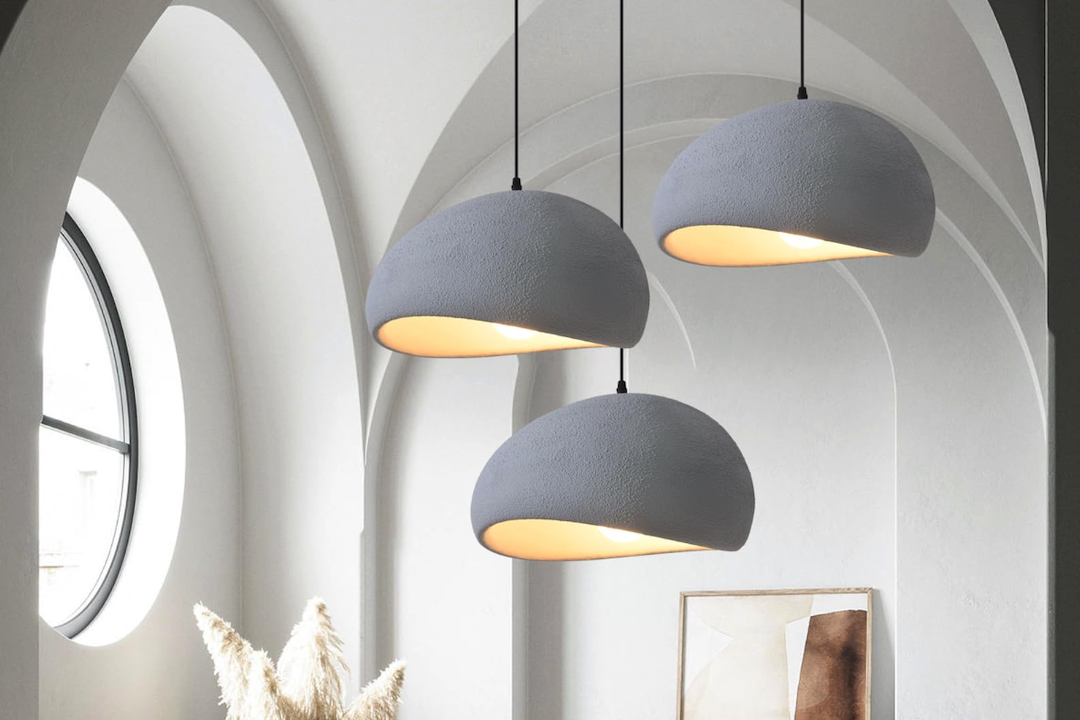
If you’re on the hunt for a lighting solution that truly embodies the spirit of loft living, a minimalist concrete pendant light is a strong contender. Its raw, understated aesthetic and robust material are a natural fit for the industrial-chic environment often found in converted lofts and urban apartments. It’s less about making a grand statement and more about providing functional, atmospheric lighting with a quiet confidence.
Why Concrete? It’s More Than Just a Material
You might be wondering why concrete, a material typically associated with construction and foundations, would be suitable for a light Lucksnail fixture. The answer lies in its unique properties and the way it harmonizes with the loft aesthetic.
The Uniqueness of Concrete in Design
Concrete brings a certain gravitas to interior design. Unlike polished metals or delicate glass, concrete is unpretentious and honest. Each piece naturally develops subtle variations in texture and color, making every concrete pendant light inherently unique. This isn’t about perfection; it’s about character, and that’s a key element of loft design.
Embracing the Industrial Aesthetic
Loft living often means embracing exposed brick, steel beams, and concrete floors. A concrete pendant light slots right into this environment, extending the industrial language of the space. It doesn’t compete with these elements; it complements them, reinforcing the overall design narrative. It’s a continuation of the raw, unfinished beauty that defines many loft interiors.
Visual Weight and Grounding
In large, open-plan loft spaces, it can be challenging to create focal points and ground certain areas. The visual weight of a concrete pendant light can help achieve this. Whether hanging above a dining table, a kitchen island, or a seating area, it draws the eye without being overly decorative. It feels substantial and firmly rooted within its surroundings, preventing the space from feeling too airy or transient.
Durability and Longevity
Concrete is, by its very nature, incredibly durable. While you’ll want to handle any light fixture with care during installation, a concrete pendant light is built to last. It’s not prone to dents from minor bumps or scratches from everyday use in the same way softer materials might be. This longevity aligns well with the practical, no-nonsense approach often taken in loft design. It’s an investment that will continue to perform and look good for years to come.
Design Principles: The Essence of Minimalist Concrete Pendants
The appeal of these lights goes beyond just the material. It’s about the conscious application of minimalist design principles that elevate concrete from a utilitarian substance to a sophisticated design element.
Simplicity of Form
Minimalist concrete pendant lights are characterized by their simple, often geometric shapes. Think cylinders, cones, domes, or even simple squares. There are no superfluous embellishments or ornate details. The form is stripped down to its essential function, allowing the material itself to be the primary focus. This clean aesthetic prevents visual clutter, which is especially important in open-plan loft spaces.
Focus on Function
In minimalism, form follows function. A concrete pendant light is designed primarily to provide light, and its shape often dictates how that light is diffused or directed. A wider, open bottom might cast a broad, even light, while a more enclosed, conical shape would create a focused beam. The design isn’t about hiding the light source; it’s about efficiently and effectively delivering illumination.
Neutral Color Palette
The inherent color of concrete, typically shades of gray, from light ash to a deeper charcoal, is a cornerstone of its minimalist appeal. These neutral tones are incredibly versatile and can be easily integrated into a wide range of interior schemes. They don’t demand attention through vibrant color but rather through texture and light play. This allows other elements in the room, such as artwork or furniture, to take center stage when desired.
Textural Appeal
Despite its smooth appearance from a distance, concrete has a distinct texture. Up close, you’ll notice subtle variations, tiny air bubbles, and a tactile quality that sets it apart. This inherent texture adds depth and interest without the need for additional ornamentation. In a minimalist design, where visual elements are pared back, texture becomes a crucial tool for adding richness and sophistication.
Practical Considerations for Loft Lighting
Choosing the right pendant light for a loft isn’t just about aesthetics; it also involves practical considerations related to the space’s unique characteristics.
Scale and Ceiling Height
Lofts often boast impressive ceiling heights, which can swallow up smaller light fixtures. A concrete pendant, with its inherent visual weight, can hold its own in such expansive spaces. When selecting one, consider the overall size in proportion to your ceiling height and the area it will illuminate. A single, larger pendant or a cluster of several smaller ones can both be effective, depending on the desired impact and light distribution.
Lighting Zones and Task Lighting
Open-plan lofts benefit greatly from carefully defined lighting zones. A concrete pendant light can play a significant role in this. For instance, a pendant hanging low over a dining table clearly defines the eating area, while another above a kitchen island provides focused task lighting for food preparation. This layered lighting approach not only improves functionality but also adds an inviting warmth to different areas of the large space.
Dimmability and Ambiance
The ability to control light intensity is crucial in any living space, but particularly in lofts where different moods and activities take place in the same general area. Most modern pendant lights, including concrete ones, are compatible with dimmer switches. This allows you to adjust the brightness from bright task lighting for cooking or working to a softer, more intimate glow for evening relaxation or entertaining. Always check that the light fixture and bulb you choose are dimmable.
Installation and Weight
While concrete is durable, it is also heavy. It’s important to ensure that your ceiling can adequately support the weight of the pendant light. This is generally not an issue for standard residential installations but is worth noting for particularly large or heavy concrete fixtures. Always consult with a qualified electrician for proper installation to ensure safety and compliance with local building codes. They can also advise on appropriate junction boxes and support mechanisms.
Placement Ideas: Where a Concrete Pendant Shines
The versatility of minimalist concrete pendant lights means they can be effectively integrated into various areas of a loft. Their understated nature allows them to blend in while still making a subtle design statement.
Over the Kitchen Island
This is perhaps one of the most common and effective placements. A row of two or three concrete pendants over a long kitchen island not only provides essential task lighting for food preparation but also acts as a visual anchor, breaking up the expanse of a large kitchen. The material’s robust quality feels right at home in a working kitchen environment.
Creating a Visual Divide
In an open-plan loft, the kitchen island often serves as a natural transition point. Pendants hanging above it help to define this zone, subtly separating the kitchen from the living or dining area without the need for walls.
Enhancing Durability
The concrete material stands up well to the demands of a busy kitchen, resisting moisture and minor impacts better than more delicate materials.
Highlighting the Dining Area
Similar to the kitchen island, a single large concrete pendant or a cluster of smaller ones above a dining table can create an intimate and inviting atmosphere. It draws attention to the dining space, defining it as a distinct area within the larger loft. The downward cast light is perfect for illuminating meals and conversations.
Intimate Ambiance
When dimmed, the soft glow from a concrete pendant over a dining table can create a warm, cozy feeling, perfect for evening meals or entertaining guests.
Visual Anchor
In a large open space, a pendant over the dining table helps to ground the furniture arrangement and prevents the table from feeling lost.
As a Statement in the Living Space
While minimalist, a well-chosen concrete pendant can still act as a subtle focal point in a living area. Consider placing one above a coffee table or in a corner to illuminate a reading nook. The key here is not to overpower the space but to add a touch of industrial sophistication.
Defining Zones
In an open-plan living room, a pendant can help delineate a seating area or a specific functional zone, contributing to a sense of order and purpose.
Adding Texture and Depth
The unique texture of concrete can add another layer of visual interest to a living space that might otherwise feel too sleek or uniform.
Enhancing Entryways and Hallways
Even in more utilitarian spaces like entryways or longer hallways, a minimalist concrete pendant can make a strong design statement. It provides necessary illumination while introducing a touch of modern industrial style right from the moment you step into the loft.
Welcoming First Impression
A well-placed concrete pendant can set the tone for the industrial-chic aesthetic of your loft right at the entrance.
Guiding Movement
In a hallway, a series of pendants can help guide the eye and create a sense of procession through the space.
Maintenance and Care: Keeping Your Concrete Pendant Looking Its Best
While concrete is durable, a little care and attention will ensure your pendant light maintains its aesthetic appeal for years to come.
Regular Dusting
Like any light fixture, concrete pendants will accumulate dust. A gentle wipe with a dry microfiber cloth is usually sufficient to keep it clean. For more stubborn dust, a slightly damp cloth can be used, ensuring it’s not dripping wet.
Avoiding Harsh Chemicals
Concrete, especially if unsealed or lightly sealed, can be porous. Avoid using harsh chemical cleaners, abrasives, or acidic solutions, as these can stain, discolour, or damage the surface. Stick to mild soap and water if more thorough cleaning is needed.
Checking Electrical Components
Periodically, it’s a good idea to ensure all electrical components, such as the cord and bulb socket, are secure and in good condition. While this isn’t strictly about the concrete itself, it’s part of general light fixture maintenance. If you notice any fraying or damage, consult an electrician.
Sealing (Optional, but Recommended for Longevity)
Some concrete pendants come pre-sealed, while others might be left in their natural, raw state. If yours is unsealed, you might consider applying a concrete sealant designed for interior applications. This can help protect against stains and make cleaning easier, especially in areas like kitchens where splatters are more likely. Always test any sealant on an inconspicuous area first.
In conclusion, the minimalist concrete pendant light isn’t just another lighting option; it’s a considered choice for those who appreciate understated design, robust materials, and a lighting solution that genuinely belongs in a modern loft. It’s practical, visually weighted, and brings an authentic touch of industrial elegance without shouting for attention. By understanding its characteristics and how it integrates with the loft aesthetic, you can make an informed decision that elevates your space.