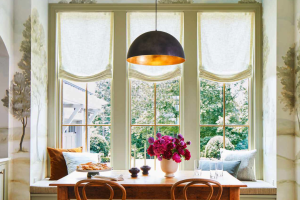
Lighting your piano nook for recitals isn’t just about seeing the keys; it’s about setting the mood, ensuring comfort, and enhancing the overall performance. The best approach involves a layered lighting scheme centered around dimmable fixtures, allowing you to seamlessly transition from bright practice sessions to an intimate, elegant recital atmosphere. Think flexibility, comfort, and aesthetics – those are your guiding principles.
Dimmable lighting isn’t just a fancy feature; it’s essential for a piano nook, especially one hosting recitals. It offers unparalleled control, transforming your space with a simple adjustment.
Adaptability for Any Occasion
Imagine practicing a challenging piece under bright, focused light, then effortlessly dimming it for a soft, warm glow as your guests arrive. This adaptability is key. You’re not stuck with a single lighting level; you can tailor it to the task at hand.
Setting the Perfect Mood
Recitals are as much about the experience as they are about the music. Dimmable lights allow you to create an intimate, sophisticated ambiance. A gentle dimming can instantly signal the start of a special event, drawing focus to the performer and the music.
Reducing Eye Strain
Staring at sheet music for extended periods can be tiring. The ability to adjust brightness helps prevent eye strain. You can find the optimal level that illuminates your music without creating harsh glares or shadows, which is crucial for comfort and focus during practice and performance.
Energy Efficiency
Modern dimmable LED fixtures are incredibly energy-efficient. By dimming your lights, you’re not just setting a mood; you’re also consuming less electricity. This is a practical benefit that adds up over time.
Essential Lighting Layers for Your Piano Nook
A well-lit piano nook incorporates several layers of lighting, each serving a distinct purpose. Think of it like building a house – you need a solid foundation before adding the decorative elements.
Task Lighting: Illuminating the Score and Keys
This is arguably the most critical layer. Task lighting directly illuminates the piano’s keys and the sheet music. Without adequate task lighting, everything else falls short.
Piano Lamp Considerations
A dedicated piano lamp is often the best solution here. These lamps are designed specifically for the task, with adjustable arms and heads to direct light precisely where it’s needed. Look for models with a wide, even spread of light to avoid hotspots and shadows.
- Adjustable Brightness and Color Temperature: Opt for lamps that allow you to adjust both brightness (dimmable) and color temperature (tunable white). A warmer light (around 2700K-3000K) is often preferred for recitals, while a brighter, cooler light (4000K-5000K) might be better for intense practice.
- Glare Reduction: The best piano lamps incorporate diffusers or specific beam angles to minimize glare on glossy sheet music or the piano’s finish.
- Placement: Position the lamp so that it illuminates both the keys and the sheet music evenly, without casting shadows from your hands or body.
Recessed Lighting Above the Piano
Alternatively, or in conjunction with a piano lamp, consider recessed lighting directly above the piano. These should be on a separate dimmable circuit from your general ambient lighting.
- Beam Angle: Choose fixtures with a narrower beam angle (around 30-45 degrees) to focus the light where it’s needed, preventing spillover into other areas.
- Spacing: Depending on the size of your piano, you might need two to three recessed fixtures spaced evenly to ensure consistent illumination across the music stand and keys.
Ambient Lighting: The Foundation of the Room
Ambient lighting provides the general illumination for the entire piano nook or room. It creates a comfortable base level of light and prevents harsh contrasts when task lighting is in use.
Dimmable Overhead Fixtures
Ceiling-mounted fixtures like flush mounts, semi-flush mounts, or chandeliers (if appropriate for your space) serve as excellent ambient sources.
- Central Location: Position these centrally within the nook or room to distribute light evenly.
- Style Integration: Choose fixtures that complement the overall aesthetic of your space.
- Layering with Task Light: Remember, these should be on a separate dimmable switch from your task lighting, allowing independent control. During a recital, you might dim the ambient lighting significantly, letting the task light on the piano take center stage.
Wall Sconces for Soft Glow
Wall sconces can add a soft, diffuse layer of ambient light, contributing to the overall warmth and elegance of the space.
- Even Distribution: Install sconces symmetrically on opposing walls or flanking the piano, if space allows.
- Up-lighting or Down-lighting: Consider sconces that cast light upwards or downwards for a more subtle effect, avoiding direct glare.
- Dimmable Bulbs: Naturally, these should also be equipped with dimmable bulbs and connected to a dimmer switch.
Accent Lighting: Highlighting Features and Creating Depth
Accent lighting is where you add a touch of drama and highlight specific architectural features, artwork, or even the piano itself. It’s about drawing the eye and creating visual interest.
Picture Lights for Art or Certificates
If you have artwork, framed recital programs, or certificates displayed in your piano nook, small picture lights can draw attention to them.
- Subtle Illumination: Choose lights that provide gentle, even illumination without overwhelming the artwork.
- Dimmable Functionality: While often less critical than task or ambient, having them dimmable allows you to fine-tune the overall scene.
Spotlights for Architectural Details
If your nook has unique architectural elements like built-in shelving, decorative moldings, or a textured wall, small directional spotlights can highlight them.
- Strategic Placement: Angle these lights to skim across surfaces, emphasizing their texture or form.
- Low Wattage: Accent lighting typically uses lower wattage bulbs to avoid overpowering other layers.
Backlighting the Piano
For a truly dramatic effect, consider backlighting the piano itself. This could involve an LED strip subtly placed behind the piano’s lid or along the wall behind it.
- Color-Changing Options: Some LED strips offer color-changing capabilities, allowing you to experiment with different hues to complement the music or mood.
- Subtle Glow: The goal here is a soft, halo effect, not a harsh direct light.
Choosing the Right Bulbs and Controls
The type of bulbs and dimming controls you choose will significantly impact the performance and flexibility of your lighting scheme. Don’t skimp here; it makes a big difference.
LED Bulbs: The Modern Standard
LEDs are the clear winner for piano nook lighting due to their energy efficiency, longevity, and versatility.
Dimmable LED Options
Ensure any LED bulbs you purchase are explicitly labeled as “dimmable.” Not all LEDs are, and using non-dimmable bulbs with a dimmer switch can lead to flickering or premature failure.
Color Temperature (CCT)
This refers to the “warmth” or “coolness” of the light, measured in Kelvin (K).
- Warm White (2700K-3000K): Creates a cozy, inviting, and elegant atmosphere, ideal for recitals.
- Neutral White (3500K-4000K): A good balance, often suitable for general practice.
- Cool White (5000K+): Brighter, more invigorating, perhaps useful for intense study but generally too harsh for recitals.
- Tunable White LEDs: These allow you to adjust the color temperature from warm to cool, offering maximum flexibility for different activities.
Color Rendering Index (CRI)
CRI measures how accurately a light source renders colors compared to natural sunlight. For a piano nook, especially where sheet music needs to be read clearly, aim for a CRI of 90 or higher. This ensures that the black notes on white paper appear crisp and true to color.
Dimmer Switches: The Key to Control
Choosing the right dimmer switch is just as important as choosing the right bulbs.
Leading Edge vs. Trailing Edge Dimmers
- Leading Edge Dimmers: Older technology, often designed for incandescent bulbs. Can cause flickering or humming with some LED bulbs.
- Trailing Edge Dimmers: Newer, specifically designed for low-wattage LED and CFL bulbs. They offer smoother dimming and are generally recommended for LED installations.
Smart Dimmers
Consider smart dimmers for enhanced control and convenience.
- App Control: Adjust lights from your smartphone or tablet.
- Voice Control: Integrate with smart home assistants like Amazon Alexa or Google Assistant.
- Scheduling: Set schedules for lights to turn on or off.
- Scenes: Create pre-set lighting “scenes” for practice, recital, or ambient listening, and activate them with a single tap. This is incredibly useful for recitals – imagine a “Recital Mode” that dims the ambient lights, brightens the piano lamp, and adds a subtle accent glow, all at once.
Multi-Location Dimming
If your piano nook has multiple entry points, or if you want to control the lighting from different spots, install 3-way or 4-way dimmer switches for convenience.
Planning and Installation Tips
A little planning goes a long way in ensuring your piano nook lighting meets your needs and looks great.
Sketch Your Layout
Before buying anything, sketch out your piano nook. Mark the location of your piano, seating, and any architectural features. Then, map out where you envision each layer of lighting.
Consider Electrical Outlets
Do you have enough conveniently located electrical outlets for piano lamps or plug-in accent lights? If not, plan for additional outlets during renovation, or consider battery-operated options if hardwiring isn’t feasible.
Switch Placement
Think about where you want your dimmer switches. Ideally, they should be easily accessible from the piano and from entry points to the room. If using smart dimmers, physical switch placement is less critical but still important for guests or when smart control isn’t an option.
Professional vs. DIY Installation
While some basic light fixture installations can be DIY-friendly, especially plug-and-play piano lamps, complex electrical work involving new wiring or recessed lighting should always be handled by a qualified electrician. This ensures safety and compliance with local building codes.
Consult an Electrician Early
If you’re undertaking a renovation or building a new nook, consult an electrician during the planning phase. They can advise on wiring requirements, dimmer compatibility, and safe installation practices.
Test Everything
Once installed, test all your lights and dimmer switches thoroughly. Make sure there’s no flickering, buzzing, or unexpected behavior at any dimming level.
Aesthetics and Integration
Lighting isn’t just functional; it’s a design element. Choose fixtures that complement your piano and the overall decor of your home.
Hiding Wires
For a truly elegant look, try to conceal all wiring. This might involve using cable management solutions, or, for a more permanent solution, having an electrician run wires behind walls.
Reflective Surfaces
Be mindful of reflective surfaces like polished piano finishes, framed glass, or mirrors. Position lights to avoid harsh glare or distracting reflections, especially from the performer’s perspective. You might need to experiment with different lamp angles or diffuser types.
Maintenance and Longevity
Once your perfect lighting scheme is in place, a little ongoing attention ensures it continues to perform beautifully.
Regular Cleaning
Dust and grime can accumulate on light fixtures and bulbs, reducing their efficiency and brightness. Gently wipe down fixtures and bulbs periodically with a soft, dry cloth. Ensure power is off before cleaning.
Bulb Replacement
While LEDs have a long lifespan, eventually they will need replacing. Keep a spare set of your preferred dimmable LED bulbs on hand, ensuring they match in color temperature and wattage.
Dimmer Switch Health
If you notice any flickering, buzzing, or inconsistent dimming, it might be an issue with the dimmer switch. Consult an electrician to diagnose and replace it if necessary. Modern trailing-edge dimmers are generally reliable, but components can wear out over time.
By thoughtfully layering dimmable lighting, choosing the right bulbs and controls, and planning your installation carefully, you can create a piano nook that is not only functional for practice but also transforms into an elegant, inviting space perfect for memorable musical recitals. It’s about crafting an experience, not just illuminating a room.